How Long It Really Takes to Go From Product Idea to First Production Run
Most founders want a simple answer.
How long does it take to go from an idea to a first production run?
The honest answer is this. It usually takes longer than you think.
That is not because your team is failing. It is because real product development includes more steps than most first-time founders expect. You need design. You need engineering. You need design for manufacturing. You need factory sourcing. You may need tooling. You almost always need sampling and revisions. Then you still need the first production run itself.
At Klugonyx, we help brands connect those phases into one process. That matters because design affects engineering. Engineering affects sourcing. Sourcing affects tooling. Tooling affects quality, cost, and production timing.
A Realistic Product Development Timeline
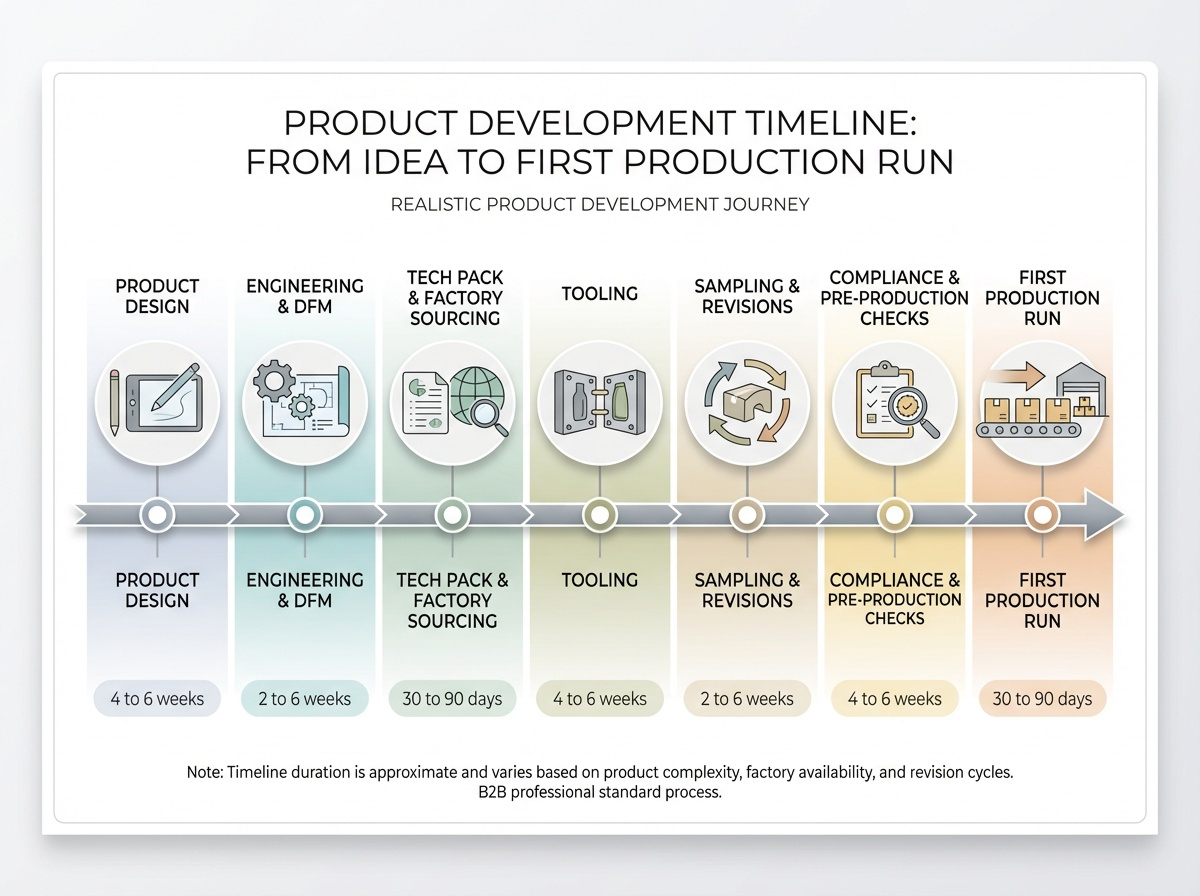
For a straightforward consumer product, going from idea to first production run often takes 4 to 8 months. For a more complex product with multiple components, custom tooling, electronics, testing, or several revision rounds, it can take 8 to 14 months or longer.
That range is wide for a reason. Product development timelines depend on complexity, documentation quality, factory fit, compliance needs, and how many changes happen during the process.
If you are still defining the product itself, start with strong product design services. If you already know what you want to build but need help turning it into something a factory can quote and manufacture, you likely need engineering support and a complete tech pack.
Phase 1: Product Design
Typical range: 4 to 6 weeks for a simpler consumer product. More time if the idea still needs concept work, user feedback, or multiple directions.
This phase should answer the most important early questions:
- What problem does the product solve?
- Who is it for?
- What should it look like?
- What should it cost at retail?
- What makes it different from other products on the market?
This is where a lot of founders lose time without realizing it. They rush into engineering before the concept is actually ready. Then they pay for it later with redesigns, confusing samples, and factory questions that should have been answered earlier.
A good design process creates clarity. It helps you define the product before the expensive phases begin.
Phase 2: Engineering and DFM
Typical range: 4 to 8 weeks for engineering. Longer if the product has several assemblies, moving parts, electronics, or tight tolerances.
This phase turns the concept into something real. Your team creates CAD, builds the BOM, defines dimensions, and pressure tests manufacturability. This is also where DFM becomes critical.
A product can look great in a rendering and still fail in production.
That is why engineering matters so much. This phase helps you catch problems before they become tooling issues, sample failures, or expensive quality problems.
If you skip detail here, the rest of the schedule gets worse.
Phase 3: Tech Pack and Factory Sourcing
Typical range: 2 to 6 weeks, depending on the product category, supplier region, and how complete your documentation is.
This is one of the most underestimated phases in first-time product development. Founders often think they only need a rough spec sheet and one factory quote. That is rarely enough.
You need a clear tech pack. You need an accurate BOM. You need to compare suppliers. You need to validate materials, processes, MOQ expectations, and quality systems. You also need to make sure the factory truly understands what you are building.
If you want a better sense of how this part works, read our guide on product sourcing for entrepreneurs. It explains why bad sourcing choices cost brands both time and money.
If your product may be produced in Asia, it is also worth reviewing country options early. Our post on China Plus One and the best manufacturing alternatives for consumer brands in 2026 can help frame that decision, and our Global Tariff Calculator can help you think about landed cost before you commit.
Phase 4: Tooling
Typical range: 2 to 6 weeks for many molded products. Complex tooling can take longer.
Tooling often becomes one of the biggest schedule drivers. If your product is plastic, silicone, or metal, this phase matters a lot. If your product is cut and sew, tooling may be minimal, but pattern development and sewing setup still take time.
Many delays happen here because teams release tooling too early. They try to save time before the product is actually ready.
That usually backfires.
Professional production injection molding has a standard lead time of 15-30 days. Some consumer product programs often take longer because complexity, finish requirements, and supplier scheduling all matter.
Tooling delays often come from:
- design changes after release
- unclear tolerances
- underestimated mechanism complexity
- trying to move too fast before engineering is complete
Phase 5: Sampling and Revisions
Typical range: 3 to 6 weeks for factory samples after tooling, plus more time if revisions are needed.
This is the phase where the product starts to feel real. It is also where founders often get frustrated, because the first sample is rarely perfect.
That is normal.
Sampling is where you validate:
- fit and function
- materials
- finish quality
- assembly
- packaging compatibility
- real world user experience
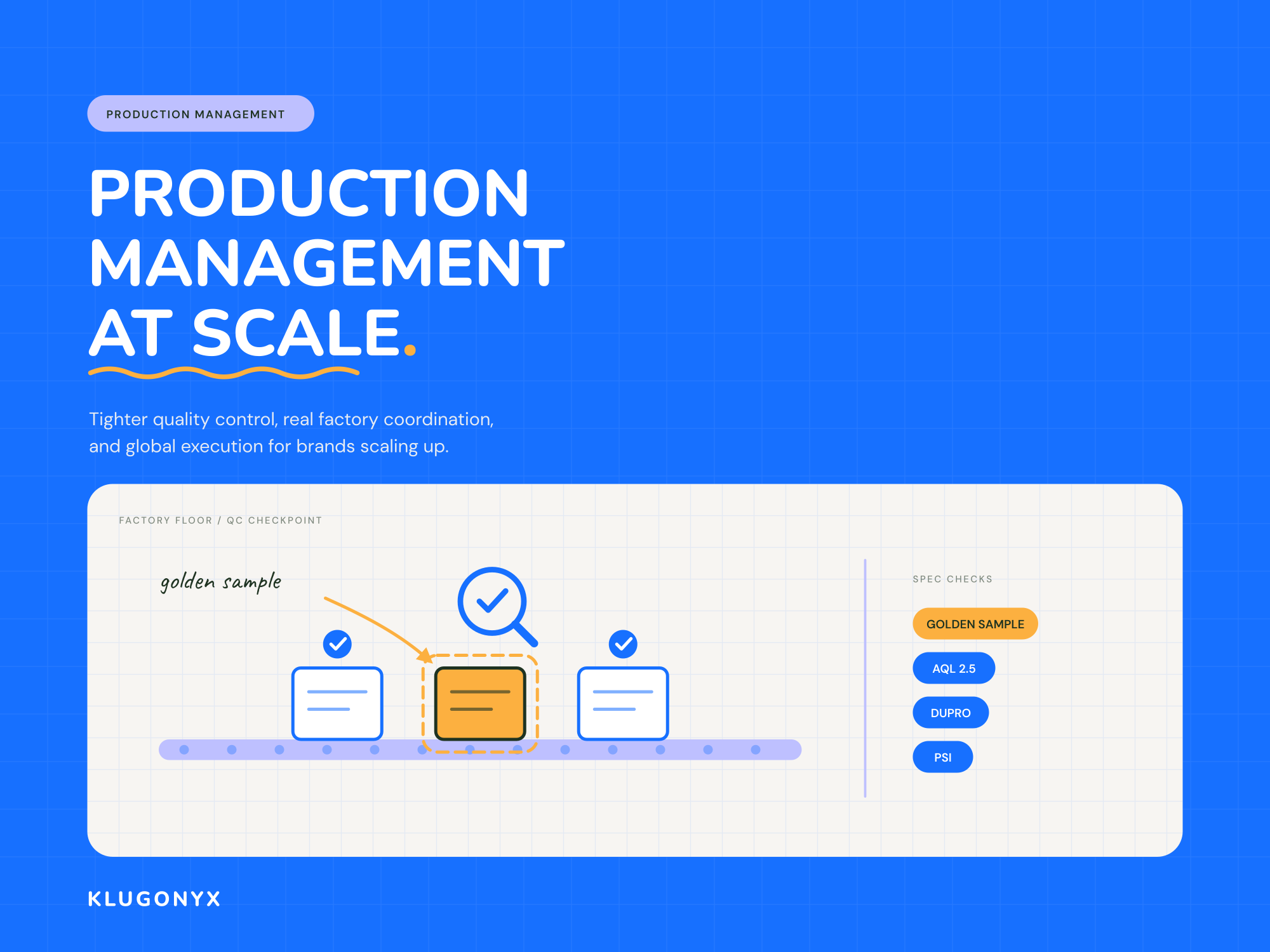
This is also when the golden sample becomes important. The golden sample is the final approved version of the product that becomes the benchmark for production.
You do not want to rush through this step. If you approve too early, production risk goes up fast.
Phase 6: Compliance and Pre-production Checks
Typical range: 1 to 4 weeks, sometimes longer depending on the category and the lab.
If your product falls into a regulated category, you need to plan for testing before launch. This is especially important in toys, baby products, and products meant for children.
The U.S. Consumer Product Safety Commission makes clear that toys sold in the United States must meet specific safety requirements. The ASTM F963 toy safety standard is especially important for toy brands, and the Federal Register notice on ASTM F963-23 confirms the most recent mandatory version.
Do not wait until the end to think about compliance. If you choose the wrong materials, ignore label requirements, or overlook small parts, you may be forced to change the product late in the process.
That is one reason we often advise founders in toys and baby products to review compliance needs alongside design and engineering, not after them.
Phase 7: First Production Run
Typical range: 30 to 90 days after final approval, depending on quantity, process, region, and season.
This phase includes material purchasing, production scheduling, in-process quality control, final inspection, packaging, and shipment preparation. You also need to think about logistics. Even when the product is done, the project is not over.
That is why freight planning matters. Our guide on what a freight forwarder does gives a helpful overview of why that relationship matters during launch.
Factory region matters too. China still plays a major role in global manufacturing. The World Bank’s manufacturing value added data for China shows the country’s continued scale, which is why many brands still manufacture there even while exploring China manufacturing alternatives or researching China sourcing and manufacturing in more detail.
Why Product Development Takes Longer than Founders Expect
The biggest reason is iteration.
Most first-time founders assume the process is linear. It is not. Design affects engineering. Engineering affects sourcing. Sourcing affects cost and MOQ. Samples trigger changes. Documentation gets updated again. Then the team rechecks everything before production.
The second reason is incomplete inputs. If you start with a vague concept, weak documentation, or unclear manufacturing goals, every later phase slows down.
The third reason is trying to force speed before the product is ready. Fast can work for a simple prototype. It rarely works for a full production run without tradeoffs.
If you want a more honest look at tradeoffs in sourcing and production geography, our article on USA manufacturing vs China in 2026 is a good companion read.
How to Plan for a Realistic Launch
If you have a hard launch deadline, work backward from production.
Give yourself time for:
- design exploration
- engineering refinement
- supplier comparison
- tooling
- sample revisions
- compliance testing
- production scheduling
- shipping and customs
This is where having one connected development partner helps. Klugonyx brings together design, engineering, and supply chain support so handoffs are tighter and issues get caught earlier.
Good planning does not lower expectations. It protects them.
Final Thoughts
If you are asking how long it takes to go from idea to first production run, the most honest answer is this:
Longer than you want, but much more manageable when the process is built correctly.
The goal is not to scare founders. The goal is to help them budget time realistically, avoid preventable delays, and get to production with better documentation, better samples, and a stronger factory relationship.
If you want help planning your timeline, contact Klugonyx.
FAQs - Realistic Product Development Timeline
What is the single phase of product development that takes longest?
Usually it is the full stretch from engineering through sampling, not one isolated phase. Engineering, DFM, tooling, and sample revisions often combine into the longest part because each step depends on the last one. That is why strong engineering work has such a big impact on the overall schedule.
Can I speed up the timeline if I have a hard launch deadline?
Yes, but only to a point. You can speed up decisions, reduce revision rounds, simplify materials or processes, and choose faster prototype methods. You usually cannot compress every step without increasing risk. If you force speed too early, you often pay for it later with poor samples, tooling rework, or production defects.
What is a golden sample and when does it happen?
A golden sample is the final approved product sample that becomes the benchmark for production quality. It usually happens after engineering, sourcing, tooling, and at least one round of sample refinement. It should happen before the first full production run begins.
How do I know when my product is actually ready for production?
Your product is ready for production when the design is locked, the engineering files are complete, the BOM is stable, the factory has quoted against real documentation, the approved sample meets your standards, and any required compliance work is complete. If the factory still has to guess, you are not ready.
What causes the most delays in first-time product development?
The biggest delays usually come from unclear specs, weak DFM, late design changes, poor factory fit, unrealistic launch dates, and expecting the first sample to be perfect. First-time founders often think the process is linear. In reality, every unclear early decision creates drag later.