How to Design Your Own Plush Toy: Materials, Costs, Factories and Market Opportunity
If you want to design your own plush toy, you are entering one of the most emotional and high potential categories in the toy industry. Plush toys create comfort. They build brand loyalty. They also offer strong margins when you develop them the right way.
In this article, you will learn how to design your own plush toy from concept to production. We will cover materials, costs, factory minimums, global manufacturing data, and how to stand out in a competitive market.
Why Design Your Own Plush Toy?
The global plush toy market continues to grow. According to data from Grand View Research, the global stuffed toys market reached over $11 billion in 2023 and continues to expand at a steady CAGR of more than 5 percent through 2030.
Parents buy plush toys for children. Pet owners buy plush toys for dogs. Collectors buy limited edition characters. Licensing drives strong demand. Emotional connection drives repeat sales.
When you design your own plush toy, you control:
- The character
- The brand story
- The safety standards
- The cost structure
- The supply chain
That control creates long term value.
Step 1: Define the Concept and Audience
Start with clarity. Who is this plush toy for?
- Babies under 3 years old
- Kids age 4 to 10
- Pet owners
- Teen collectors
- Adult collectors
Each audience changes the design requirements. For example:
- Infant plush must meet strict safety standards with no small parts.
- Dog plush must use reinforced stitching and durable fabrics.
- Collector plush can use premium fabrics and higher detail.
When you design your own plush toy, define:
- Size in inches or centimeters
- Character personality
- Target retail price
- Distribution channel
Your retail price determines your factory target cost.
Step 2: Develop the Design
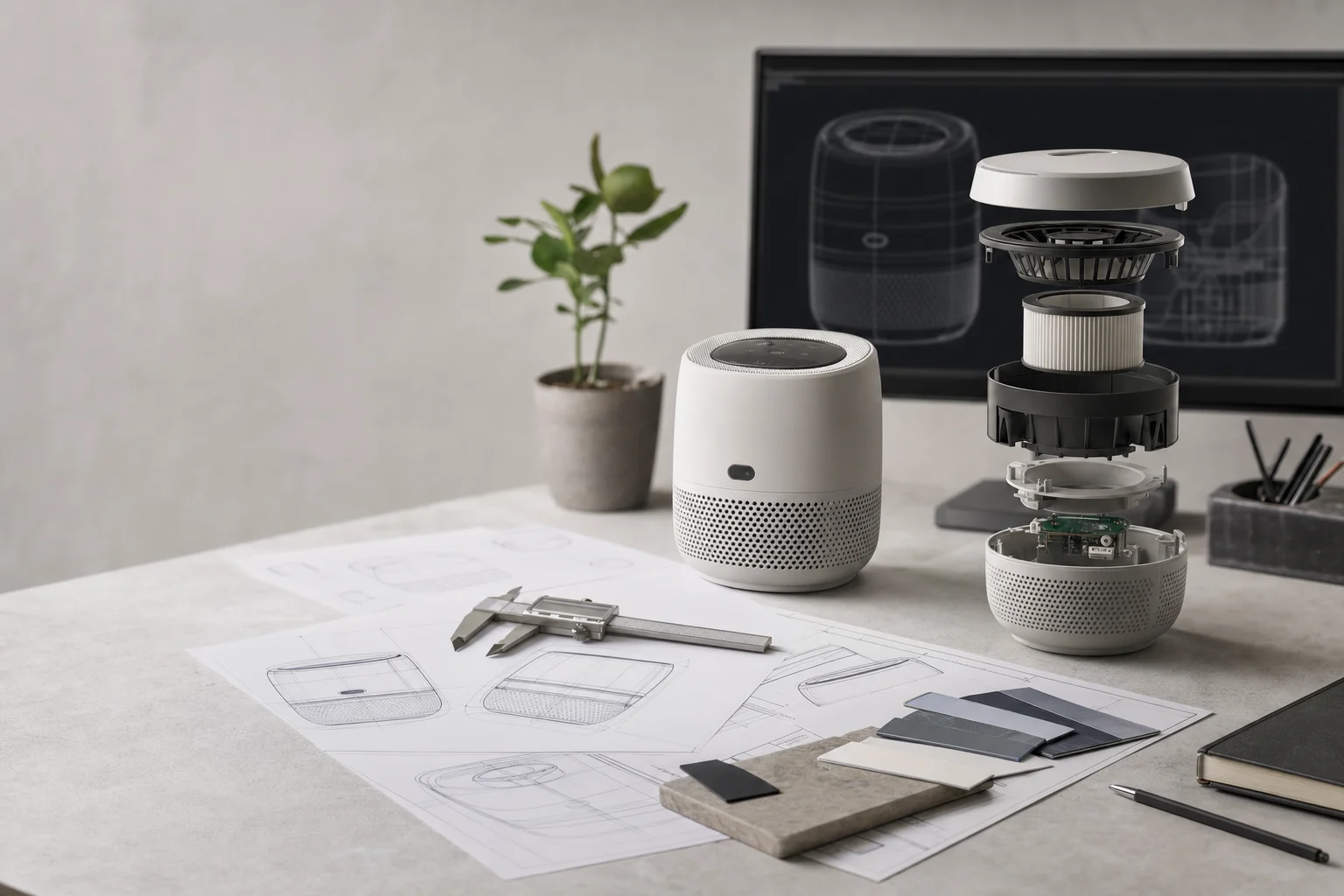
Plush toy design combines art and engineering.
You need:
- Character sketch
- Color callouts
- Fabric selection
- Pattern development
- Construction details
A strong product development team will create:
- 2D concept sketches
- Tech packs with measurements
- Fabric specs
- Stitch and seam details
- Label placement
- Packaging direction
If you want a deeper look at structured product design, review our Product Design and Development Services page. It outlines how we move from concept to production ready files.
Step 3: Choose the Right Materials
Material selection drives cost, safety, and durability.
Common Plush Fabrics
- Polyester plush
Most common material
Soft and affordable
Cost: $2 to $4 per yard depending on pile height - Minky fabric
Premium soft texture
Popular for baby plush
Cost: $4 to $7 per yard - Faux fur
Used for character plush with longer hair
Cost: $6 to $12 per yard - Felt
Used for facial features and accessories
Cost: $1 to $3 per yard
Fill Materials
- Polyester fiberfill (most common)
Cost: $1.50 to $3 per kilogram - Recycled polyester fill
Slightly higher cost but strong sustainability story - Cotton fill
Less common due to cost and weight
Dog plush often includes:
- Crinkle paper
- Squeakers
- Rope cores
These components add cost and require durability testing.
Material prices fluctuate based on oil prices, labor costs, and global shipping rates. Always request updated quotes from mills.
Step 4: Understand Factory MOQs
Most plush factories operate with minimum order quantities.
Typical MOQs:
- 500 to 1,000 units per design for simple plush
- 1,000 to 3,000 units for complex multi material plush
- 3,000+ units for licensed or retail programs
Sample development costs:
- $200 to $500 per prototype sample
- Tooling usually not required for plush
- Embroidery digitizing fees may apply
Factories reduce unit price as volume increases. If your retail target is $24.99, you likely need a landed cost between $4 and $7 depending on your margin structure.
To learn more about factory sourcing strategy, see our Global Sourcing Services page.
Where Are Most Plush Toys Made?
China remains the dominant manufacturing hub for plush toys. Industry estimates show that China produces more than 70 percent of the world’s toys, including plush (Toy Association).
Major regions include:
- Guangdong Province
- Zhejiang Province
- Jiangsu Province
Vietnam has grown in recent years due to tariff diversification. Indonesia and Cambodia also support soft goods production.
When you design your own plush toy, you must consider:
- Labor rates
- Tariffs
- Shipping costs
- Factory capacity
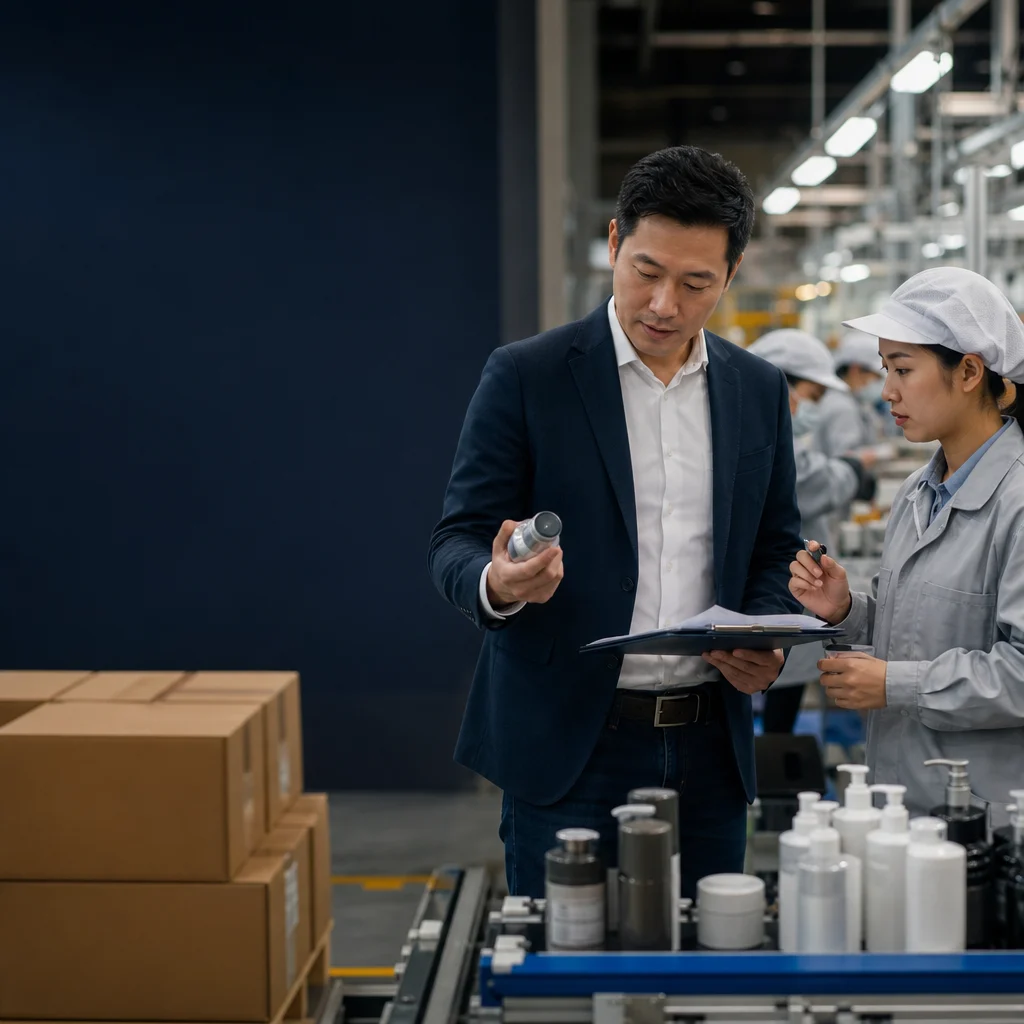
- Quality control
Diversifying supply chains helps reduce risk.
Step 5: Safety and Compliance
Plush toys must meet strict safety standards.
In the United States:
- ASTM F963 toy safety standard
- CPSIA lead and phthalate limits
- Small parts regulations
In Europe:
- EN71 testing requirements
Testing costs range from $500 to $2,000 depending on the complexity of the product.
Never skip compliance. Major retailers require third party testing reports.
Is the Plush Toy Market Saturated?
Yes and no.
The plush category contains many competitors. However, strong brands still break through.
Recent successful examples include:
- Jellycat: Known for high quality design and premium pricing
- Squishmallows: Achieved over $1 billion in annual retail sales at peak growth
Source: Jazwares public reporting 2022 - Build-A-Bear Workshop: Built strong experiential retail model
- POP MART and its Labubu character: Leveraged blind box and collector culture
These brands succeeded because they differentiated.
How to Differentiate Your Plush Toy
When you design your own plush toy, avoid copying what already exists.
Strong differentiation strategies:
- Unique character IP - Create a world and story
- Premium materials - Use higher GSM fabrics
- Sustainability - Recycled polyester or Organic cotton
- Hybrid functionality - Plush plus weighted comfort / Plush plus tech integration
- Target niche markets - Therapy plush / Pet enrichment plush / Sports mascot plush
The plush market rewards creativity and brand depth.
What Does It Cost to Launch?
Here is a simplified cost breakdown for a 12 inch plush toy at 1,000 units:
- Fabric and fill: $2.50 to $4.00
- Labor: $1.50 to $2.50
- Packaging: $0.40 to $1.00
- Freight and duty: $0.50 to $1.50
- Testing amortized: $0.20 to $0.50
Estimated landed cost: $5 to $9 per unit
Margins depend on your channel. DTC allows higher margins than wholesale.
How Klugonyx Can Help You Design Your Own Plush Toy
Designing and producing plush toys requires coordination between:
- Designers
- Pattern makers
- Fabric mills
- Factories
- Testing labs
- Freight partners
At Klugonyx, we act as your team extension. We guide you from concept through mass production.
You can explore our:
- Toy and Game Development Services
- Design and Development Services
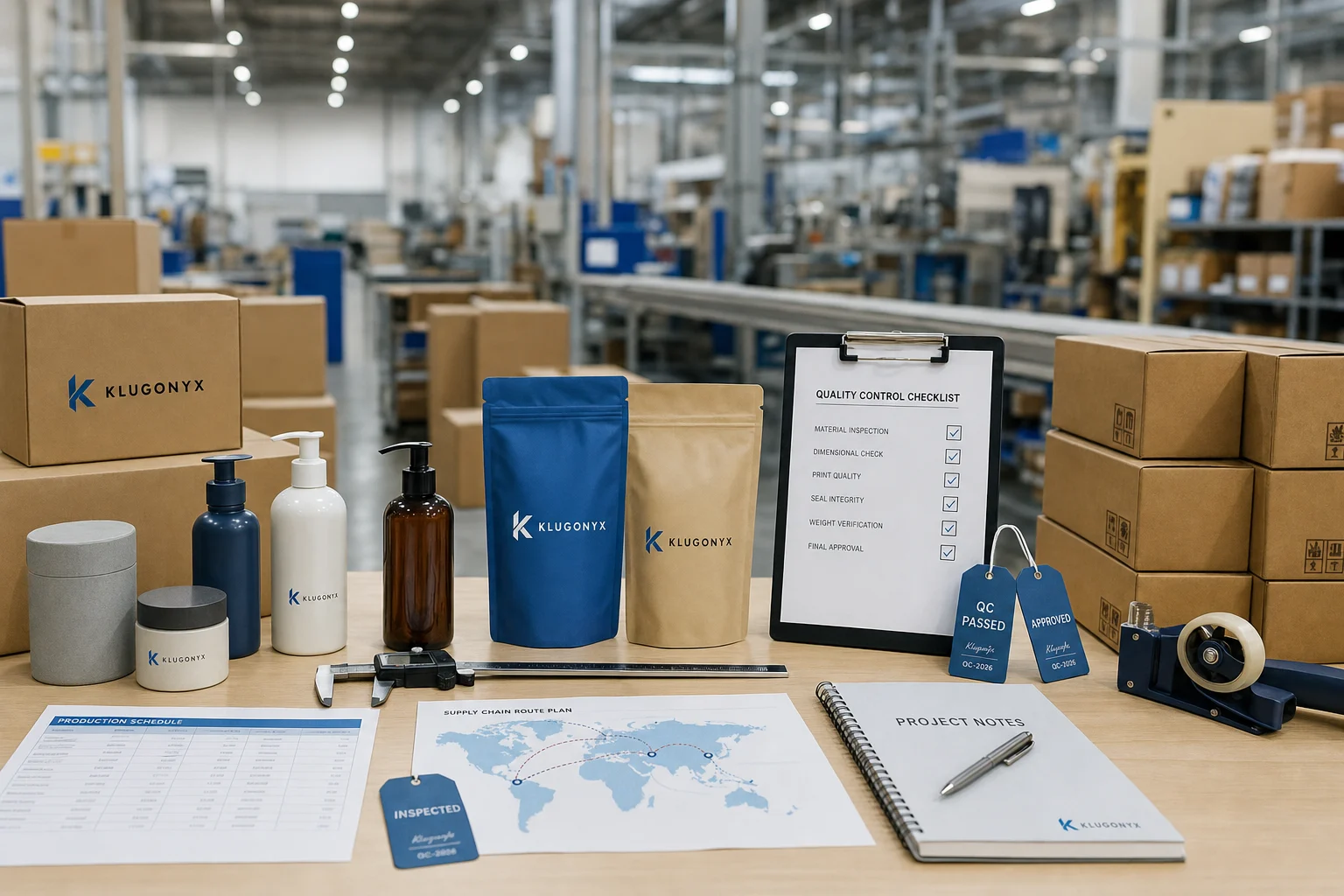
- Manufacturing and Quality Control Services
We help brands avoid costly mistakes. We reduce development delays. We build supply chains that scale.
How to Design Your Own Plush Toy - Conclusion
If you want to design your own plush toy, start with clarity. Define your audience. Develop strong design files. Choose materials with intention. Vet your factory partners carefully. Protect your brand with safety testing.
The plush market continues to grow. Strong characters and thoughtful design still win.
When you combine creative vision with disciplined product development, you create more than a toy. You create connection.