Hiring a product development agency is one of the most consequential decisions you will make as a founder or product leader. Get it wrong, and you lose months of development time, burn through budget on rework, and end up with a product that is not ready for the factory floor.

The problem is that most agencies look similar on the surface. They all claim end-to-end capabilities. They all show polished renderings. But when it comes to end-to-end product development, the difference between a successful launch and a stalled project usually comes down to what happens after the design phase.
Klugonyx built its process around that reality. Below are the 10 questions that separate a reliable development partner from one that will leave you exposed at the factory handoff.
Key Takeaways: Questions to Ask a Product Development Agency
- Ask how design, engineering, and manufacturing connect under one workflow before signing a contract.
- Confirm the agency conducts in-person factory audits and manages quality control on the production floor.
- Request named client references with project-level detail, not just logos on a website.
- Klugonyx manages concept-to-factory development with 35+ professionals and 500+ global factory connections.
- Clarify who owns your design files, tech packs, and tooling at every stage of the engagement.
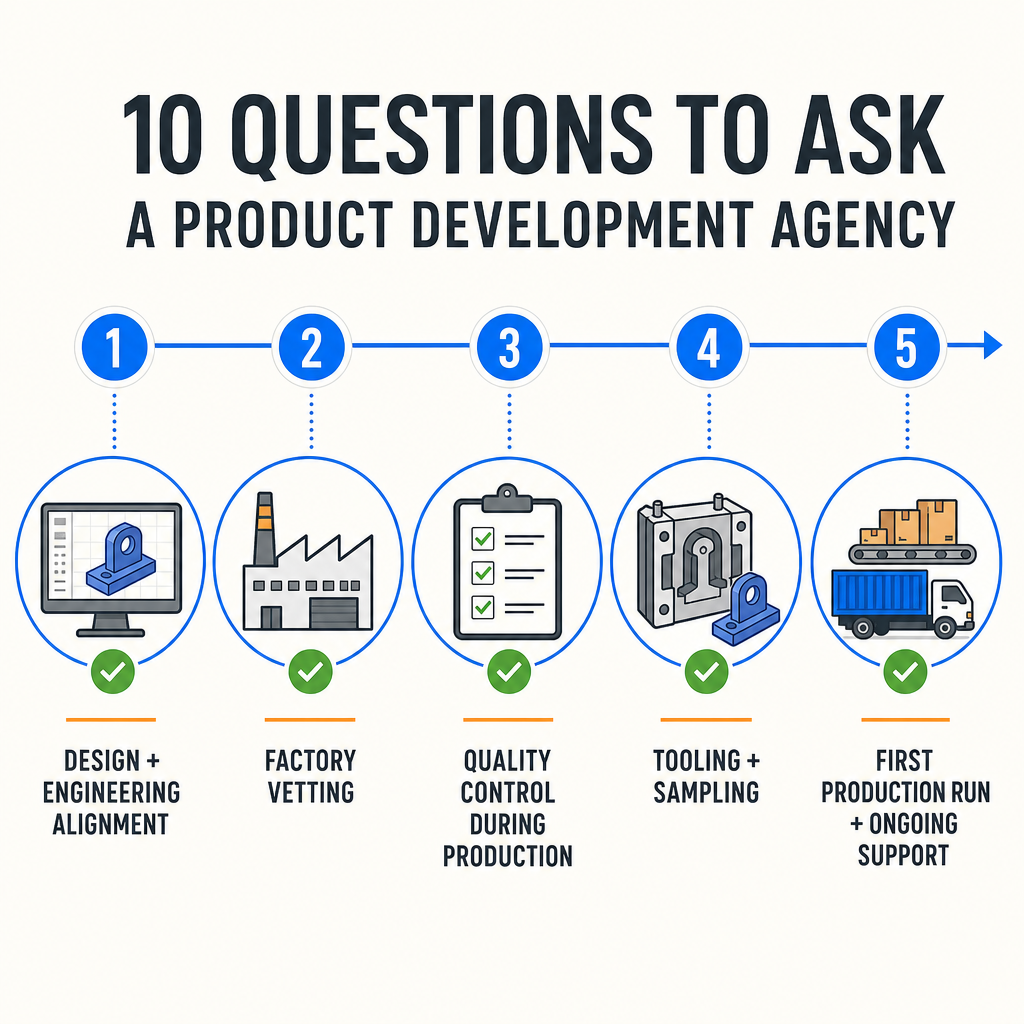
Essential Questions to Ask Before Choosing a Product Development Agency
1. Do Your Designers and Engineers Work on the Same Team?
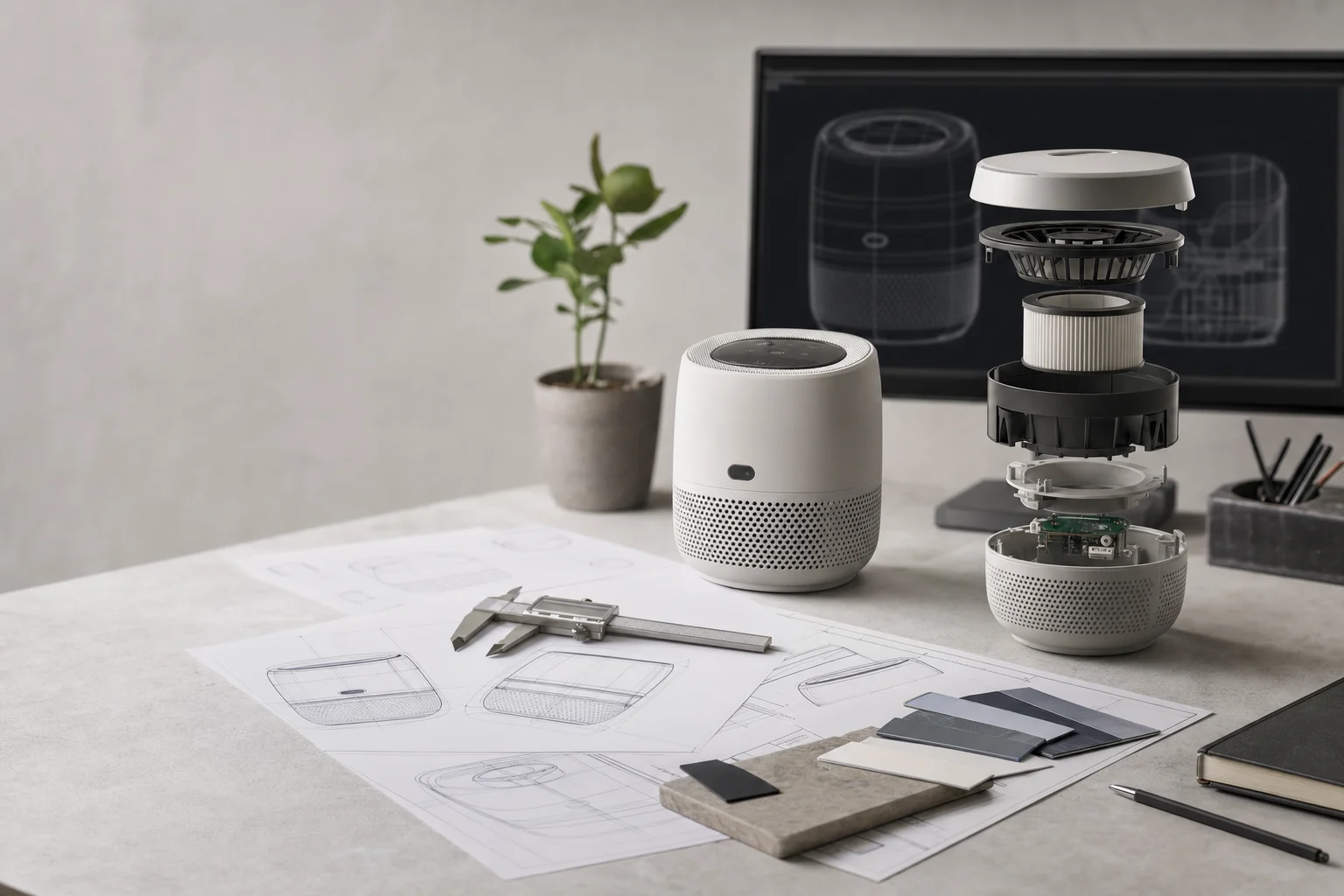
Many agencies hand off industrial design files to a separate engineering group. That gap causes rework, delays, and higher costs. You want a partner where product designers and mechanical engineers review the same CAD files together.
Ask for a specific example of how the agency caught a manufacturing issue during the design phase. If they cannot name one, the two disciplines likely operate in silos.
At Klugonyx, design and engineering are one connected process. DFM reviews happen alongside concept development so your product is production-ready before it reaches a factory.
2. What Does Your Factory Vetting Process Look Like?
A credible agency should describe a documented factory audit process, not just say "we have partners." Ask whether they visit factories in person before production begins and what criteria they use to qualify a new facility.
You also want to know how they handle underperforming factories. Do they have a replacement protocol? Klugonyx audits every partner factory on-site across China, Vietnam, Mexico, India, and other key regions.
That vetting covers pricing, quality standards, timelines, minimum order quantities, and intellectual property protections. If a factory falls short, the team transitions production to a higher-performing facility.
3. Who Manages Quality Control During Production?
Some agencies disappear after the design phase. Others broker a factory introduction and leave you to manage communication alone. You need to know exactly who is on the ground when production starts and what authority they have to stop a run.
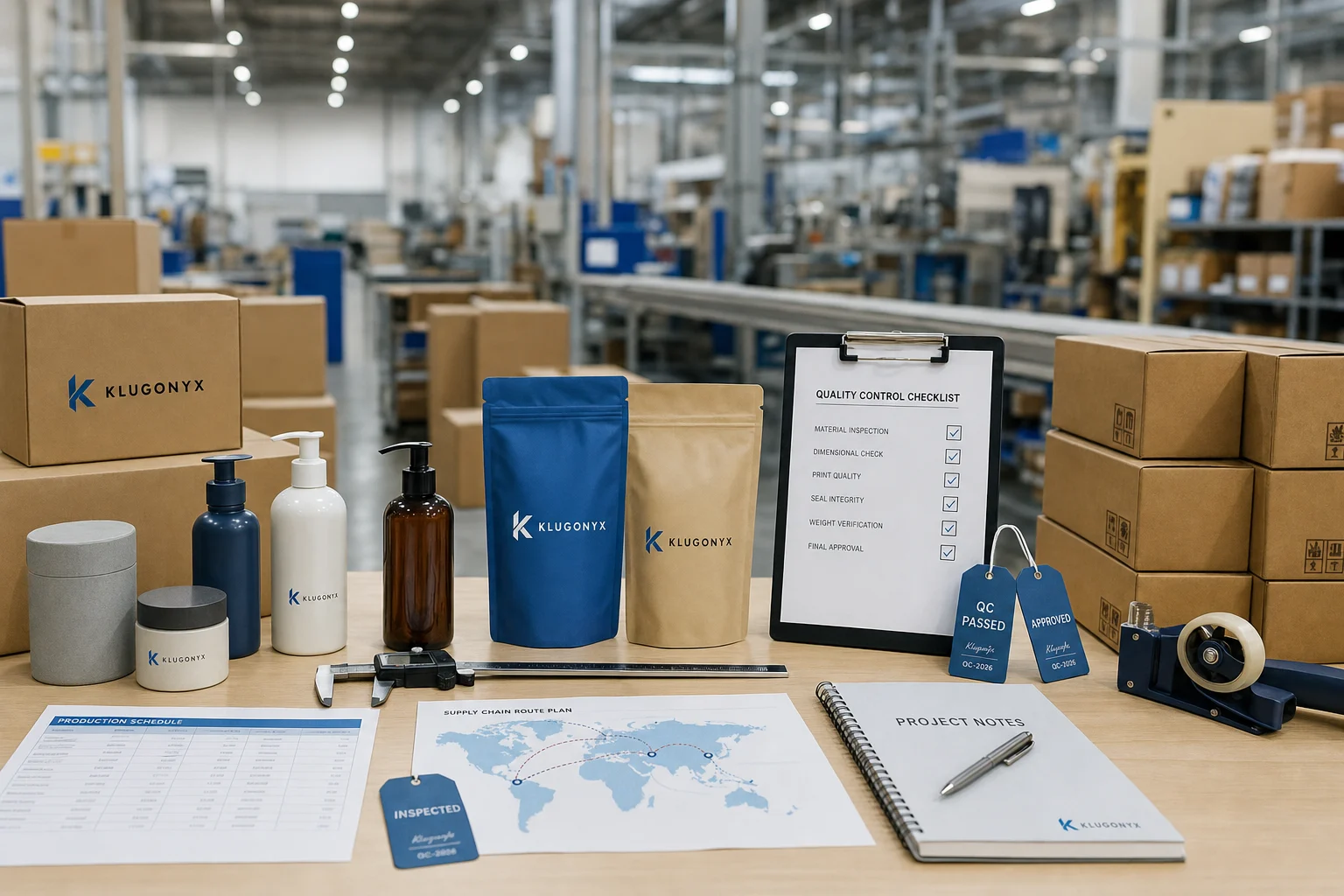
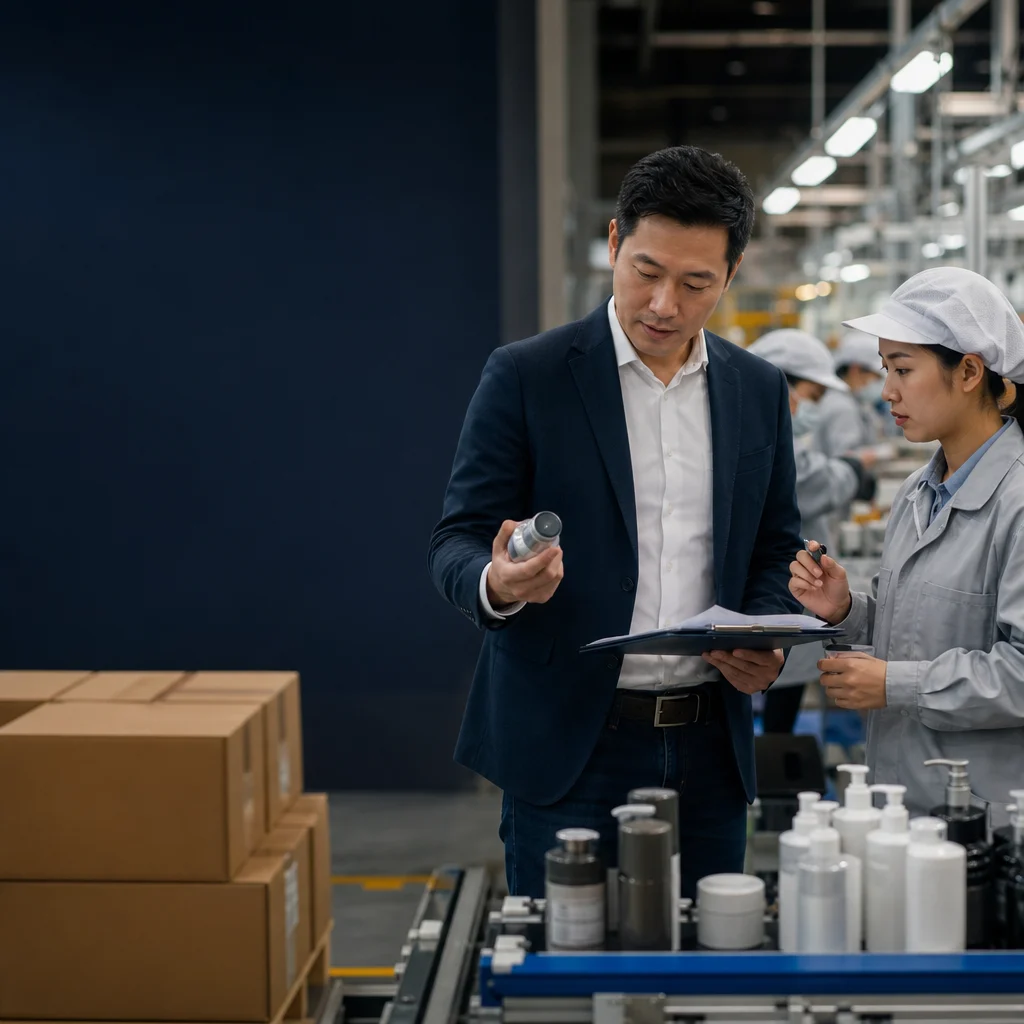
Ask whether the agency stations its own team at the factory or relies on third-party inspectors. Klugonyx keeps on-the-ground professionals at factory sites to run inspections, hold defect rates below 2%, and resolve issues before they reach your warehouse.
4. Can You Walk Me Through a Recent Project From Concept to First Production Run?
Any agency can list services on a capabilities page. The real test is whether they can name a client, describe the constraints, and walk you through how they solved problems during production.
Ask about a project where the original plan changed mid-stream. How did the agency adapt? At Klugonyx, case studies reference specific clients like Busy Baby, Dorai, and Parkit by name with project-level detail. That transparency shows you what the real process looks like when your product is on the line.
5. How Do You Handle Engineering Changes After Tooling Starts?
Tooling modifications are expensive. If an agency does not perform thorough DFM analysis before mold creation, you will pay for it later in rework and delays. Mold changes alone can add weeks to your timeline and thousands to your budget.
Ask how many sampling rounds their projects typically require and what percentage of engineering changes happen before versus after tooling. At Klugonyx, DFM reviews are built into the engineering phase so tooling surprises are rare. A connected design-engineering-manufacturing workflow catches problems early.
6. What Happens Between Prototype Approval and the First Factory Order?
This is where many product launches stall. The gap between an approved prototype and a real production order includes cost negotiation, factory agreements, sampling rounds, and quality standard documentation. If the agency cannot explain each of those steps clearly, that gap becomes your risk.
Klugonyx manages that entire transition. The team negotiates binding factory agreements that lock in pricing, timelines, quality benchmarks, and IP protection before you place a single order. You move from approved prototype to first production run with clear milestones.
7. Do You Model Landed Costs Across Multiple Manufacturing Regions?
Your factory decision should not be based on unit price alone. Tariffs, shipping, duties, and lead times change the real cost of production depending on where you manufacture. A low quote from one region can become your most expensive option once you add freight and duties.
Ask whether the agency models landed costs across regions like China, Vietnam, and Mexico before recommending a factory. Klugonyx runs these comparisons with real numbers so you make sourcing decisions based on data, not assumptions.
8. Who Owns the Design Files and Intellectual Property?
This question separates trustworthy partners from risky ones. Some agencies retain ownership of CAD files, tech packs, and engineering documentation, which makes it difficult to switch partners or bring manufacturing in-house later. You should also ask about non-disclosure agreements with factories.
Ask specifically about IP clauses in their standard agreement. Klugonyx operates under work-for-hire agreements where you own all design files, engineering assets, and production-ready documentation from day one. The team also requires every factory to sign binding NDAs enforceable in the factory's home country.
9. How Do You Support Brands After the First Production Run?
The first order is just the beginning. You need a partner who can support repeat orders, factory relationship management, quality consistency, and product line expansion over time. Ask what the agency's engagement model looks like after the initial retainer phase ends.
Some agencies charge new retainers for each production run. Others disappear entirely after handoff. Klugonyx manages ongoing production, quality inspections, and logistics coordination across repeat orders so you can focus on growing your brand and expanding into new product categories.
10. Can You Define What "Production-Ready" Means for My Product?
Too many founders assume a 3D rendering equals a finished product. Production-ready means your design has been engineered for manufacturing, your tech pack is complete, your factory is vetted, and your quality standards are documented. If any of those pieces are missing, you are not ready to request quotes.
Klugonyx defines production-ready as the point where a factory can quote, tool, and produce your product with predictable quality and cost. That includes finalized CAD, DFM-reviewed engineering files, a complete bill of materials, and an approved golden sample.
Why the Right Questions Save You Months and Thousands of Dollars
Choosing an end-to-end product development agency is one of the highest-stakes decisions a consumer brand founder makes. The wrong partner costs you time, money, and momentum. The right one gives you a connected team that handles design, engineering, factory sourcing, and production oversight under one roof.
According to a 2025 study published in Sustainability, disconnected development-to-production processes are a leading driver of non-quality costs in manufactured goods. That finding reinforces why you should vet your agency's end-to-end capability before committing.
Klugonyx gives founders and product leaders that connected workflow, from ideation and engineering to prototyping and manufacturing sourcing. If you are ready to bring your idea to life with a team that has delivered 3,000+ SKUs across 500+ factory connections, reach out to schedule a free planning session.
FAQs about Questions to Ask a Product Development Agency
What is the most important question to ask a product development agency?
Ask how their design, engineering, and manufacturing teams work together. Disconnected workflows lead to costly rework.
Klugonyx connects all three disciplines under one team so your product moves from concept to factory without gaps.
How do I know if an agency can handle factory sourcing?
Request specifics about their factory network, including regions covered and audit procedures. A credible partner visits factories in person and manages quality control on-site.
Should I hire separate firms for design and manufacturing?
Splitting the work creates handoff risk. When one firm owns the full process, engineering decisions account for manufacturing constraints from the start.
Klugonyx manages every step of the product development process to reduce that risk.
What does "end-to-end product development" include?
It covers ideation, industrial design, mechanical engineering, prototyping, factory sourcing, production management, quality control, and logistics. Klugonyx handles all of these as one connected workflow.
How can I tell if my product is truly production-ready?
Your product is production-ready when you have finalized CAD files, a complete tech pack, DFM-reviewed engineering, a vetted factory, and an approved golden sample. If any piece is missing, you are not ready to place orders.
Why do some agencies fail at the factory handoff stage?
Many agencies focus on design and stop before manufacturing begins. Without on-the-ground factory management and documented quality standards, problems surface after molds are cut and costs escalate.