You have a product concept that looks right on screen. The industrial design is locked. Now you need an engineering partner who can turn that design into something a factory can actually produce, without losing what made the design special in the first place.

That gap between "looks great in a render" and "ready for mass production" is where most consumer products stall. The right product engineering services partner closes it by aligning DFM, mechanical engineering, and industrial design under one roof, so your product reaches the factory floor with fewer surprises and lower costs.
This comparison breaks down six product engineering partners that handle design for manufacturability and industrial design integration for consumer brands. Each one approaches the problem differently, and the right fit depends on your product's complexity, your category, and where you are in development.
Quick Guide: 6 Product Engineering Services For Consumer Brands
- Klugonyx: The best end-to-end product engineering partner for consumer brands that need DFM, factory sourcing, and industrial design alignment from a single team.
- Gembah: A platform-based option connecting founders with a network of designers and engineers for market research through production management.
- Simplexity Product Development: An engineering firm focused on electromechanical systems, motion control, and connected consumer devices.
- Nectar Product Development: A dual-certified engineering firm serving regulated industries like aerospace, defense, and medical devices.
- Design 1st: A 35-person Canadian firm offering staged hardware development with defined deliverables per phase.
- Delve: A research-driven design and engineering consultancy with particular depth in medical and scientific products.
How We Chose The Best Product Engineering Services For Consumer Brands
Choosing an engineering partner for a consumer product is not the same as picking a software vendor. You need a team that can take your industrial design and make it manufacturable without compromising form, function, or your target cost. Here is what we evaluated.
- DFM integration from day one: Does the firm review your design for wall thickness, draft angles, material selection, and tolerance stacks before tooling? Early DFM catches problems that cost 10x more to fix after molds are cut.
- In-house engineering depth: We looked for firms with real mechanical engineers, CAD specialists, and prototyping capabilities on staff, not account managers brokering subcontractors.
- Industrial design alignment: The engineering team should collaborate with industrial designers throughout development so aesthetic intent and manufacturing constraints are resolved together, not in sequence.
- Consumer product experience: Consumer goods have specific regulatory, safety, and material requirements that differ from industrial or medical hardware. We prioritized firms with a track record in categories like baby, toys, outdoor, home goods, and wellness.
- Factory-ready deliverables: A good engineering partner hands off production-ready files: tech packs, bills of materials, and production-intent CAD that a factory can use to quote and tool without additional interpretation.
- Prototype-to-production continuity: We favored partners that support prototyping, testing, and manufacturing transfer, not firms that stop at the CAD file and leave the rest to you.
The 6 Best Product Engineering Services For Consumer Brands
1. Klugonyx: Best Overall Product Engineering For Consumer Brands
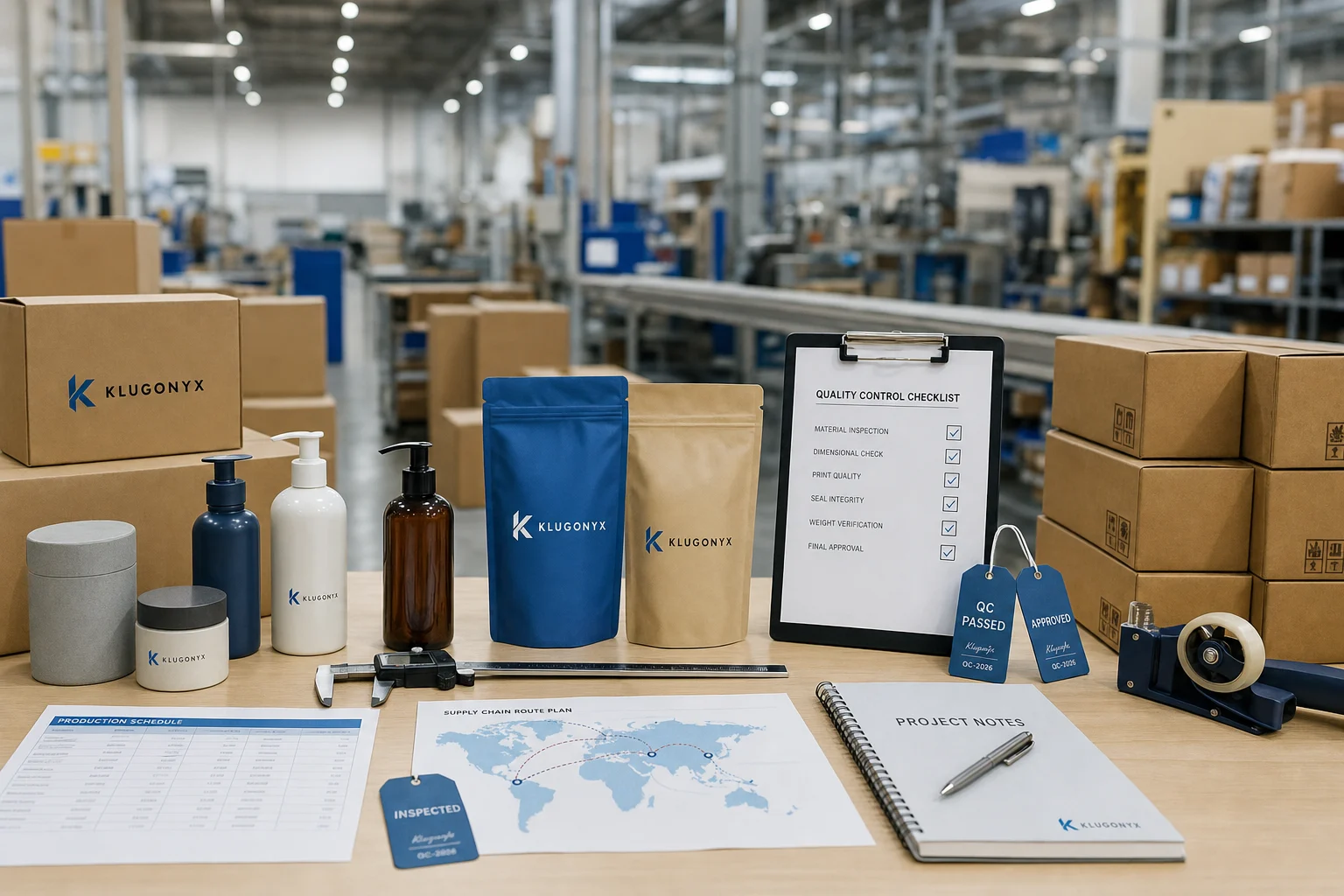
Klugonyx is a full-service product development company based in Utah that handles product design, engineering, factory sourcing, and production management for consumer brands. What sets Klugonyx apart is how tightly the engineering team works with industrial designers and manufacturing specialists from the start of every project.
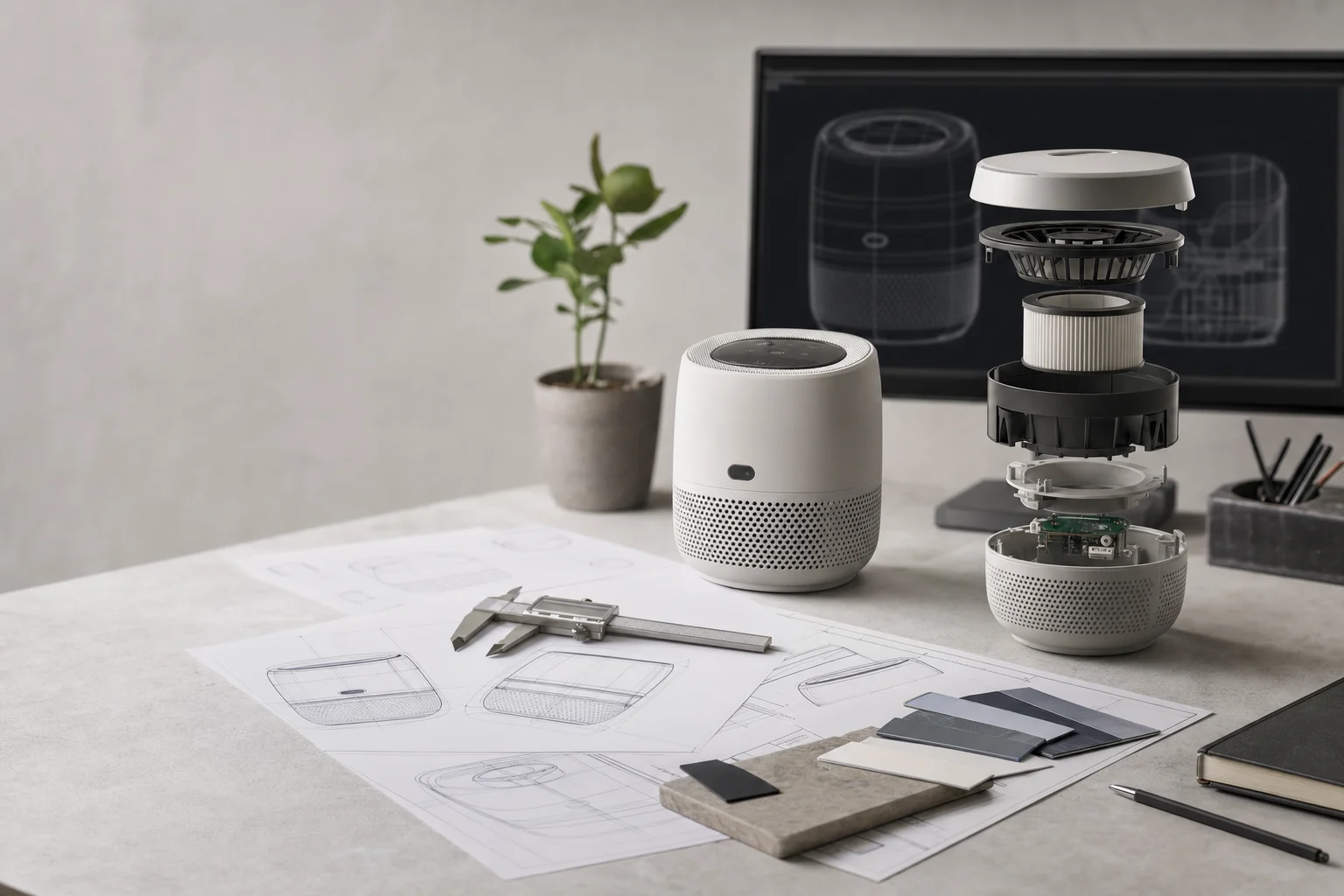
Instead of treating engineering as a hand-off that happens after design is "done," Klugonyx integrates DFM analysis, mechanical engineering, and material selection into the design process. That means wall thicknesses, draft angles, and assembly strategies are resolved while the form is still moving, not after it is frozen.
Klugonyx delivers production-intent CAD, detailed tech packs with tolerance specifications and bills of materials, and functional prototypes validated against real manufacturing constraints. The company supports hard goods and soft goods across categories including baby products, toys and games, outdoor gear, home goods, wellness, apparel accessories, and pet products.
With 750+ clients served and 3,000+ SKUs delivered, Klugonyx provides product engineering backed by a trusted factory network spanning China, Vietnam, Mexico, India, and other manufacturing regions. That factory-side knowledge feeds back into engineering decisions, so your product is designed for the specific manufacturing process and factory capabilities you will actually use.
Klugonyx Features
- Integrated DFM and engineering: Every product goes through a design for manufacturing review before approaching factories, which can reduce per-unit production costs by 15 to 30 percent and cut tooling revisions.
- Production-intent CAD and tech packs: You receive 3D CAD files, bills of materials, and factory-ready documentation so manufacturers can quote, tool, and produce your product accurately.
- End-to-end factory sourcing: Klugonyx manages factory sourcing, cost negotiation, mold coordination, and on-site quality control across multiple global regions.
- Consumer category specialization: The team has hands-on experience in baby products, toys and games, outdoor gear, home goods, wellness, apparel, and pet products.
- Industrial design collaboration: Klugonyx product designers work alongside engineers from day one, so aesthetic decisions are pressure-tested against manufacturing realities before CAD is finalized.
- Functional prototyping: The engineering team builds prototypes using production-equivalent materials and processes, allowing you to validate fit, function, and user experience before committing to tooling.
Klugonyx Pros And Cons
Pros
- One accountable team from design through production reduces hand-off problems
- Factory-side knowledge in multiple countries means engineering decisions account for real manufacturing capabilities
- Work-for-hire agreements mean you own all product design files and assets
Cons
- Focused primarily on consumer product categories, so highly regulated medical or aerospace products may require a specialized partner
- Headquartered in Utah with global factory operations, which may require remote coordination for local in-person collaboration
- Full-service engagement may include more steps than teams who only need a single CAD revision
2. Gembah: A Platform-Based Model For Market Research Through Production
Gembah connects founders and brands with a network of designers, engineers, and factories through a platform-based model. The company offers services spanning market research, ideation, 3D CAD design, DFM optimization, factory discovery, and production management.
Gembah's Direct to Manufacturing (D2M) model lets you customize products a factory already makes, which can shorten timelines for brands looking to adapt existing SKUs rather than engineer from scratch. The platform also includes sampling, tooling coordination, and production oversight.
Gembah Features
- Network-based design and engineering: Gembah matches your project with designers and engineers from its network, covering concept development through manufacturing-ready drawings.
- D2M customization model: For brands that do not need a fully custom product, Gembah's Direct to Manufacturing path allows you to modify existing factory products with your branding and specifications.
- Production management support: The platform includes oversight during sampling, tooling, and production runs.
Gembah Pros And Cons
Pros
- Platform model provides access to a range of design and engineering specialists
- D2M model can shorten timelines for brands that want to customize existing products
- Covers the full lifecycle from research through production management
Cons
- Engineering and design are handled by network contractors rather than a single integrated team, which can create coordination gaps
- DFM and industrial design integration depend on the specific network members assigned to your project
- Less published documentation on consumer product category specialization compared to dedicated consumer product engineering firms
3. Simplexity Product Development: Focused On Electromechanical And Connected Devices
Simplexity Product Development is an ISO 13485:2016 certified engineering firm based in Vancouver, Washington. The company focuses on mechanical, electrical, control systems, firmware, and software engineering for products that involve motion control, robotics, and precision mechanisms.
Simplexity has worked with technology companies on wearables, AR/VR hardware, smart home devices, and biotech instruments. The firm offers early-phase consultations to help startups validate development schedules and budgets before committing to full engineering programs.
Simplexity Product Development Features
- Systems-level engineering: Simplexity handles mechanical, electrical, firmware, and software engineering as an integrated system, which matters for connected devices.
- ISO 13485 certification: The quality management system certification supports engineering for regulated and reliability-critical products.
- Early-phase explorations: Startups can engage Simplexity for feasibility assessments before committing to a full development program.
Simplexity Product Development Pros And Cons
Pros
- Combines mechanical, electrical, and firmware engineering under one team for connected products
- ISO certification provides a structured quality framework
- Over 20 years of experience across technology product categories
Cons
- Primary focus is on electromechanical systems, so simple consumer hard goods may not align with the firm's core expertise
- Factory sourcing and production management are not listed among core services
- Consumer product category specialization (baby, toys, outdoor) is not a published focus area
4. Nectar Product Development: Dual-Certified Engineering For Regulated Products
Nectar Product Development is based in Los Angeles and has operated for over 30 years. The firm provides mechanical engineering, software and firmware engineering, structural engineering, optical engineering, and design for manufacturing. Nectar holds both ISO 13485 and AS9100 certifications, positioning the company for medical, aerospace, and defense work.
Nectar also offers industrial design, UX/UI design, and human factors engineering. The firm has delivered thousands of products across its history and focuses on complex, high-reliability systems where compliance and testing requirements are demanding.
Nectar Product Development Features
- Dual quality system certification: ISO 13485 and AS9100 certifications cover both medical device and aerospace quality standards.
- Multi-discipline engineering: The team includes mechanical, structural, optical, software, and firmware engineers working together on complex systems.
- Human factors and usability: Nectar conducts formative and summative studies to validate product usability during development.
Nectar Product Development Pros And Cons
Pros
- Dual certification enables work across medical, aerospace, and defense regulated environments
- Over 30 years of experience with complex electromechanical systems
- Includes industrial design, UX, and human factors within the firm
Cons
- Regulatory focus and overhead may not align with the speed and cost requirements of consumer product categories
- Factory sourcing for consumer products in Asia is not a listed service
- Published case studies lean toward regulated industries rather than consumer goods like baby, toys, or outdoor gear
5. Design 1st: Staged Hardware Engineering With Defined Deliverables
Design 1st is a 35-person product development firm based in Ottawa, Canada. The company has developed over 1,000 products across 25+ years, specializing in products that integrate sensor technology, power systems, and wireless connectivity. Design 1st uses a four-step development process that moves from planning through design, prototyping, and manufacturing setup.
The firm's staged approach means each phase has defined deliverables and decision points, which helps startups manage budgets and timelines. Design 1st handles industrial design, mechanical engineering, electronics engineering, firmware development, and regulatory certification support in-house.
Design 1st Features
- Phased development model: Each project stage has clear deliverables and milestone reviews, giving you defined checkpoints before committing to the next phase.
- Electronics and firmware expertise: The team handles PCB design, embedded firmware, and wireless connectivity alongside mechanical engineering.
- Regulatory and certification support: Design 1st assists with compliance documentation and testing coordination for product certifications.
Design 1st Pros And Cons
Pros
- Staged development with defined deliverables helps startups control budgets
- In-house electronics, firmware, and mechanical engineering under one roof
- Over 1,000 products developed across multiple industries
Cons
- Based in Canada, which may add complexity for U.S.-based consumer brands needing local factory coordination in Asia
- Primary strength is in connected and IoT products, with less published focus on non-electronic consumer goods
- Factory sourcing and production management for consumer brands are not listed as core offerings
6. Delve: Research-Driven Design And Engineering For Complex Products
Delve is a multi-office design and engineering consultancy with locations in Madison, Wisconsin, San Francisco, and Boston. The firm was founded in 1967 (originally as Design Concepts) and merged with Bresslergroup in 2022 to expand its East Coast presence. Delve has produced over 1,500 patents during its history.
The firm offers industrial design, mechanical and electrical engineering, and UX design, with particular depth in medical device development where the team maintains ISO certification. Delve serves clients from startups to Fortune 500 companies and has worked with brands like Black and Decker, Dexcom, and Perlick.
Delve Features
- Research-led development: Delve grounds design and engineering decisions in user research and human factors analysis.
- Multi-discipline teams: The firm combines industrial design, mechanical engineering, electrical engineering, and UX under one organization.
- ISO-certified medical development: Delve maintains ISO certification for medical device projects, supporting regulated product engineering.
Delve Pros And Cons
Pros
- Over 55 years of experience across consumer, commercial, and healthcare industries
- Combines user research with engineering to ground design decisions in real user data
- ISO certification supports medical and regulated product development
Cons
- Multi-office structure can mean your project team is distributed across locations
- Factory sourcing and overseas manufacturing management are not core services
- Enterprise-scale programs may carry minimum engagement levels that are higher than what early-stage consumer brands need
Comparison Table: The Best Product Engineering Services For Consumer Brands
CompanyIntegrated DFM + Industrial DesignFactory Sourcing IncludedConsumer Product SpecializationKlugonyx✓✓✓GembahNetwork-dependent✓GeneralSimplexity✗✗Connected devicesNectar✓✗Regulated industriesDesign 1st✓✗IoT and connected hardwareDelve✓✗Medical and commercial
What Does Design For Manufacturability Actually Include In Product Engineering?
Design for manufacturability (DFM) is the process of engineering a product so it can be produced efficiently, reliably, and affordably at scale. It is not a single review or a checkbox at the end of development. DFM happens throughout engineering and covers wall thickness analysis, draft angles for injection-molded parts, material specification, tolerance stacks, and assembly strategy.
When DFM is done early, before tooling, it prevents the expensive mold modifications that happen when production problems surface after molds are cut. According to a 2025 report by Dataintelo, the global design for manufacturability services market was valued at $6.8 billion in 2025 and is projected to reach $13.7 billion by 2034, growing at a CAGR of 8.1 percent (Source: Dataintelo, Design for Manufacturability Services Market Research Report, 2025). That growth reflects how many brands are learning the hard way that skipping DFM creates costly rework downstream.
A thorough DFM analysis reviews your product design files against real manufacturing constraints. For injection-molded consumer products, that means checking that wall thicknesses are uniform enough to prevent sink marks, that draft angles allow clean part ejection, and that undercuts do not require expensive side-action tooling. For soft goods and textiles, DFM evaluates pattern efficiency, seam construction, and material waste.
Why Does Industrial Design Integration Matter For Product Engineering?
Industrial design defines how a product looks, feels, and interacts with the user. Product engineering defines how it works and how it gets made. When these two disciplines operate in sequence, instead of in parallel, you get designs that look great but cannot be manufactured at your target cost, or engineered products that sacrifice the aesthetic intent that made the concept compelling.
The solution is integration from day one. When industrial designers and mechanical engineers sit in the same room (or at least the same project), DFM feedback happens while the form is still evolving. That means a designer can adjust a surface radius based on tooling constraints before the form is frozen, rather than discovering the problem after weeks of CAD work.
Klugonyx structures every consumer product engagement this way. Designers and engineers collaborate from the earliest concept stage, which cuts rework, speeds timelines, and makes sure your product is truly production-ready, not just a rendering.
Why Klugonyx Is The Best Product Engineering Partner For Consumer Brands
Most product engineering firms do one part of the job well. They deliver CAD files, or they help with DFM analysis, or they provide industrial design concepts. Few connect all three to factory-level manufacturing knowledge in one team.
Klugonyx gives you that connected workflow. From ideation and engineering to prototyping and manufacturing sourcing, every step of the product development process is managed by one accountable team. That eliminates the costly hand-offs between separate design, engineering, and sourcing partners that create miscommunication, rework, and delays.
For consumer brand founders and product development leaders, that integration translates into faster timelines, lower per-unit costs, and products that reach the factory floor ready for production. With boots-on-the-ground quality control and a trusted factory network spanning multiple manufacturing regions, Klugonyx supports you from the first sketch to the finished product on the shelf. Ready to bring your idea to life? Reach out to the Klugonyx team to start your project.
FAQs About Product Engineering Services
What Is The Difference Between Product Engineering And Product Design?
Product design focuses on how a product looks, feels, and interacts with the user, covering form, ergonomics, and material finishes. Product engineering focuses on how it works and how it gets manufactured, including mechanical analysis, tolerance stacks, and DFM. Klugonyx combines both disciplines from day one so your product is designed and engineered as a single connected process.
When Should DFM Start In The Product Development Process?
DFM should start during the engineering phase, before tooling begins. Klugonyx conducts DFM reviews while the industrial design is still evolving, which catches manufacturing problems early and avoids expensive mold modifications after tooling is committed.
What Deliverables Should I Expect From A Product Engineering Partner?
A qualified partner should deliver production-intent 3D CAD files, a detailed tech pack with tolerance specifications, a bill of materials (BOM), DFM recommendations, and functional prototypes. Klugonyx provides all of these as part of its engineering process, along with factory-ready documentation for quoting and tooling.
Can A Product Engineering Firm Also Handle Factory Sourcing?
Some can, but many stop at the CAD file. Klugonyx manages factory sourcing, cost negotiation, sampling, and quality control across China, Vietnam, Mexico, and other manufacturing regions, so your engineering decisions account for the specific factory and process you will actually use.
How Do I Choose Between A Specialized Engineering Firm And A Full-Service Partner?
If your product requires specialized engineering, such as complex electromechanical systems or regulated medical devices, a focused firm may be the right fit. For consumer products where DFM, industrial design alignment, and factory readiness are the priorities, a full-service partner like Klugonyx covers more ground and reduces the risk of coordination gaps between separate vendors.