Design and Development Process for Games and Toys
If you have ever searched “toy design and development process” or “game product development process,” you have probably seen simple step lists that make it sound linear. Real toy and game development rarely works that way.
A successful toy development process is an intentional loop. You define the play pattern, prototype fast, test with real people, engineer for manufacturing, then document everything clearly enough that production is repeatable. When teams skip the loop and jump straight to a pretty prototype, they often pay for it later in rework, tooling changes, delays, and missed margins.
This article is built for founders, product leaders, and inventors who want a clear design and development process that works for physical toys, board games, and hybrid products. It is also written for teams searching for a toy design and development partner that can take a concept from early play to production ready deliverables.
If you want a quick overview of how Klugonyx supports toy and game development, start here: Toy & Games
And if you want a deeper look at important product development documentation, this tech pack guide pairs perfectly with the process below.
Start with the Play Pattern, not the Product
The best toy design process begins before you draw anything. It starts with a clear answer to one question: what is the repeatable moment that makes this fun?
That moment is your play pattern. It is the action that keeps happening, the thing kids want to do again, the challenge players want to solve again, the motion that feels satisfying, or the surprise that makes someone smile.
Once you have that, you can define constraints that shape every development choice that follows. These constraints also help you avoid over designing.
Here are the constraints that matter most early in toy product development:
- Age grade and user profile
- Price point target and retail realities
- Core value, what the product must deliver every time
- Key risks, what could break, what could frustrate, what could be unsafe
- Brand guardrails, how it should feel and look in your world
If you do not lock these early, you will still lock them later, but later is when changes are expensive.
Concept Development that is Built to Learn
Concepting in toy and game development is not about perfection. It is about creating options that answer important questions fast.
In this phase, you want concepts that clearly communicate:
- What is the interaction?
- What is the physical architecture?
- What is custom versus off the shelf?
- What parts influence cost the most?
- What needs to be proven with prototypes first?
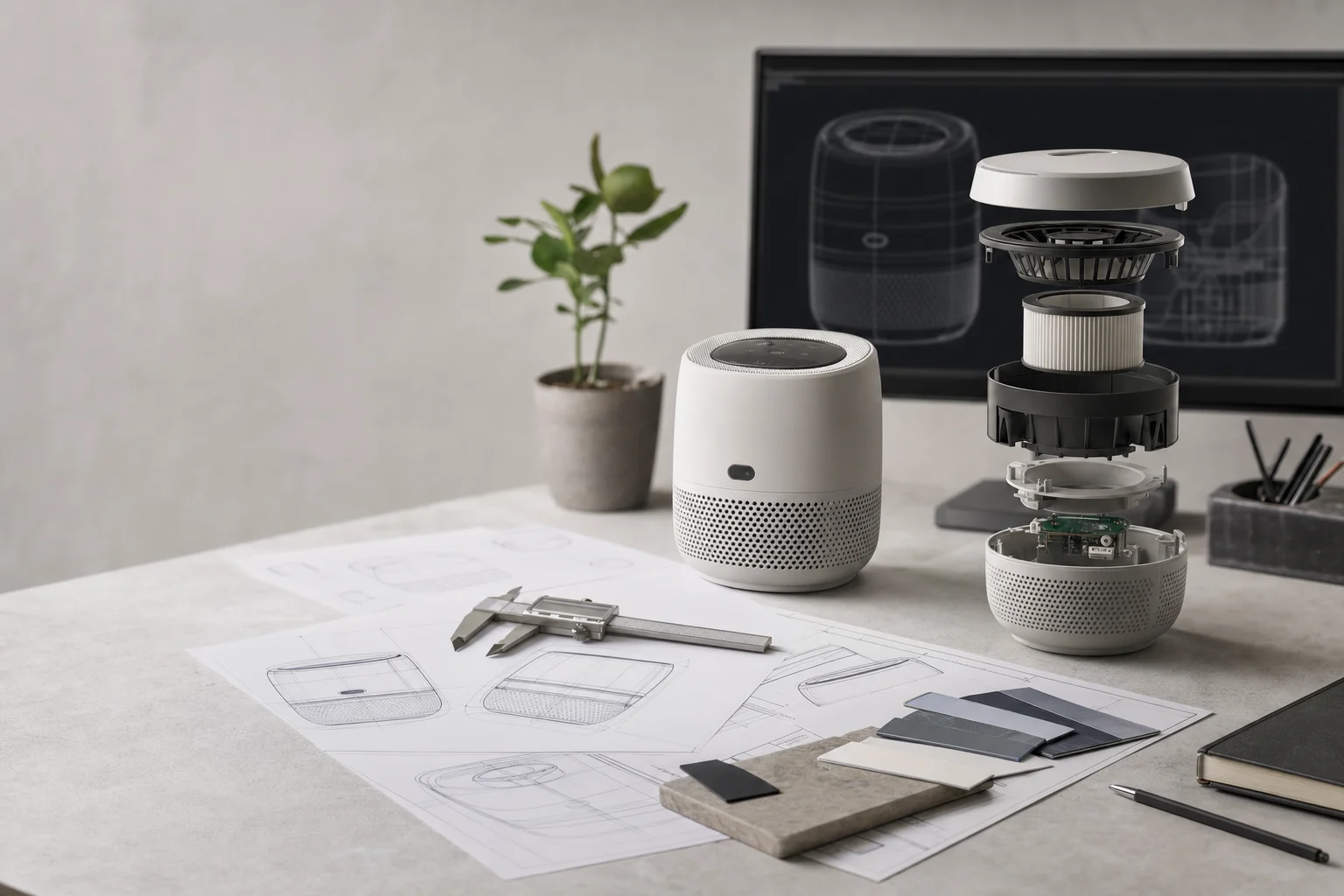
A good concept phase produces just enough clarity to move into prototyping without guessing. It can include sketches, quick mockups, simple renders, and early component maps. What matters is that the team agrees on what is being tested next.
If you are developing a board game, this phase is also where you confirm the gameplay loop and difficulty curve. You can have beautiful components, but if the loop is not sticky, the product will not last.
The Toy Prototyping Process that Actually Works
When people say “prototype,” they often mean “make it look real.” In practice, the toy prototyping process should be staged. Each stage answers a specific question, and you do not move forward until you have learned what you came to learn.
A practical sequence looks like this:
1. Prototype One Proves the Play
This is quick and scrappy. Paper, foam, 3D prints, hand built parts, whatever gets it into hands fast. Your goal is to learn whether the play pattern is real.
For games, this is where you test rules clarity, round length, and whether players understand the objective without coaching.
2. Prototype Two Proves the Interaction and Ergonomics
Now you test the details people feel. Grip, reach, stability, balance, tactile feedback, part sizing, and component readability. This is often where toy design decisions start to lock.
3. Prototype Three Proves Product Architecture
This is where toy engineering becomes central. You begin defining how parts fit together, how assembly works, what materials are realistic, and what manufacturing processes make sense.
It is also where cost and quality stop being abstract. You can start estimating component count, complexity, and whether the design is drifting away from the price point.
Toy and Game Engineering and Design For Manufacturing (DFM)
This phase is where many products either become production ready or become stuck.
Toy and game engineering is not just CAD. It is the translation of a fun concept into a manufacturable system. A strong toy design and development company will push hard here because it protects the schedule and the budget.
In this phase, you typically refine:
- Part breakdown and assembly logic
- Material selection based on performance, safety, and cost
- Tolerances and fit strategy
- Fasteners, snaps, living hinges, seams, and closures
- Failure points, drop concerns, chew concerns, fatigue concerns
- Quality control checkpoints and measurement plans
This is also the moment to stop treating factories like a black box. You want to understand what processes are realistic, what tooling is required, and what risks exist before you lock geometry.
If you want to see how Klugonyx frames engineering support in general, start here.
Safety and Compliance Planning - Earlier than You Think
Many teams treat safety as a final step. That is one of the fastest ways to end up with redesigns.
You do not need to become a compliance expert to make smarter design choices early. You simply need to treat safety requirements as design inputs, not late stage surprises.
In the United States, toy and game compliance commonly involves CPSIA and toy safety standards such as ASTM F963. The right path depends on age grade, materials, and product features. Even if a lab ultimately verifies compliance, your design decisions can make the testing process smooth or painful.
During development, it helps to proactively address:
- Small parts risk and age grading strategy
- Sharp points and edges
- Pinch points and accessible gaps
- Material choices and surface finishes
- Battery access and enclosure strategy, if applicable
- Labeling expectations and instructions
The earlier you talk about these items, the less likely you will need structural changes after the product already looks finalized.
Documentation that Makes Manufacturing Predictable
Once your design is validated and engineering is solid, documentation becomes the bridge between a prototype and a production line.
This is where “toy product development process” turns into something quoteable, repeatable, and measurable.
A strong factory ready package typically includes:
• Bill of materials with clear specs
• Drawings with critical dimensions and tolerances
• Material and color specifications
• Assembly instructions and notes
• Packaging structure and artwork requirements
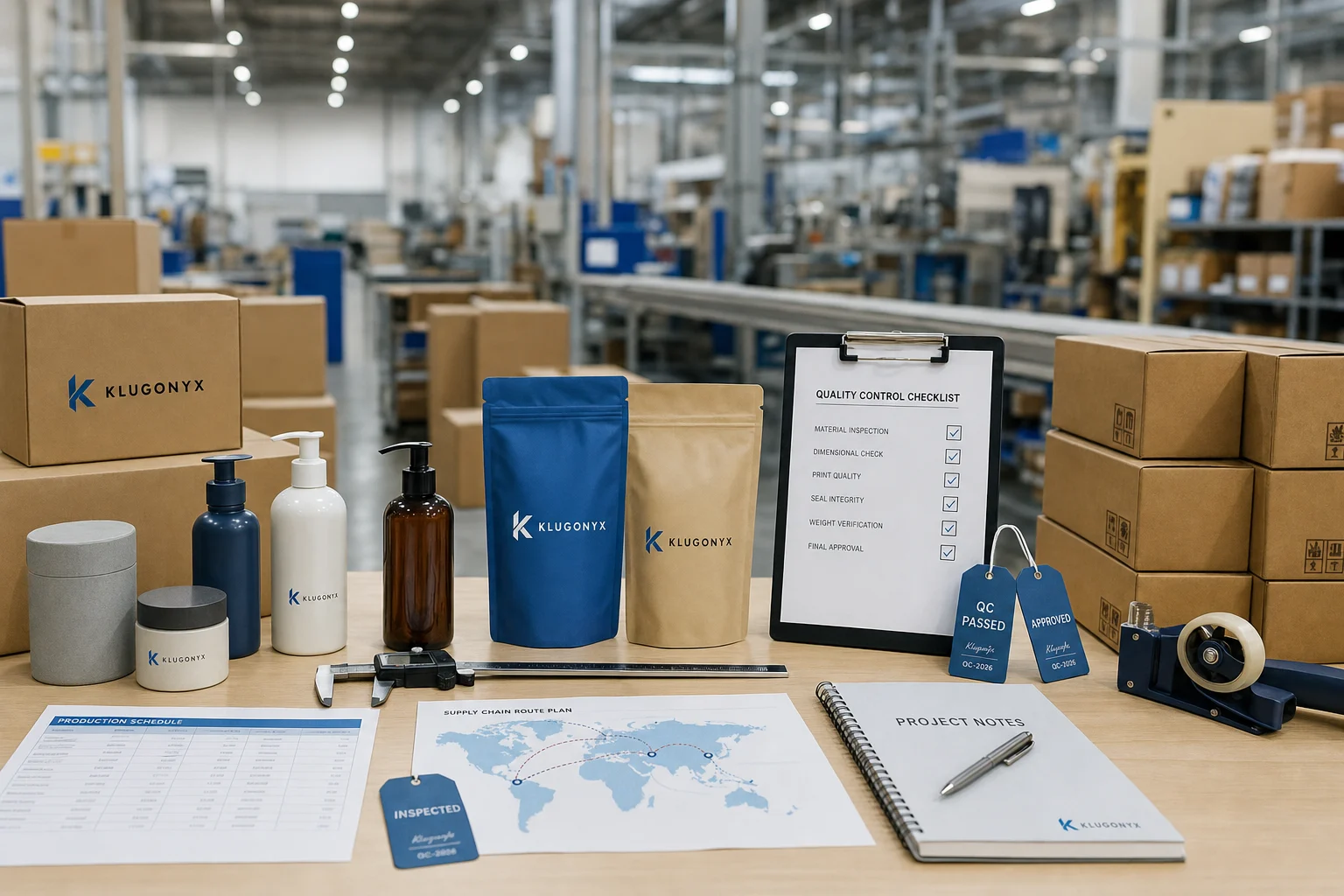
• Quality requirements and inspection points
This article gives you a clear explanation of what belongs in a tech pack and why it matters.
Well built documentation reduces misunderstandings, speeds up quoting, improves sample quality, and makes it easier to compare factory options.
Factory Sampling and Iteration Without Losing Control
Sampling is where many teams feel like they lose momentum. The goal is to prevent the sample phase from becoming endless.
The key is to run sampling like a set of planned experiments. Each sample should have a purpose and clear pass fail criteria. You should know what you are validating before it arrives.
Common validation goals include:
- Fit and function verification
- Material feel and durability expectations
- Assembly efficiency and repeatability
- Color and finish accuracy
- Packaging fit and protection
When teams skip this structure, they often end up changing multiple variables at once, then nobody knows what caused the improvement or the failure. The more controlled your sampling plan is, the faster you converge.
Mini Case Studies from Klugonyx Toy and Game Clients:

Mobi Games: Turning a Simple Sensory Idea into an Award Winning Product Line
Mobi set out to create a new sensory toy inspired by the founder’s infant daughter. Their first handmade prototype was a mason jar with hand poked holes and threaded shoelaces, built to recreate the texture and tension she loved.
Klugonyx partnered closely with the founders, which included doctors and therapists, to explore concepts and sketches that would engage multiple senses, stand out visually, and stay safe for babies. That process led to Zippee, a food grade silicone sensory toy that launched in 2020 and won the ABC Kids Expo Best New Product Award the same year.
From there, we helped Mobi scale beyond a single hero product. Our teams streamlined the design and engineering workflow, kept pricing aligned with target costs, and supported the design, development, and manufacturing of 10 additional sensory products as the brand grew. Read the full case study here.
Process takeaway: Simple toys are rarely simple to build. The fastest path is a tight toy product development process that prototypes early, engineers for manufacturing, and locks safety and material decisions before scaling production.

JoPat Games: Building the Cross Spin Board Game
JoPat built Cross Spin as a new spin on the classic crossword, with three ways to play: the board game, the app, and a daily web challenge.
Klugonyx helped bring Cross Spin to life by supporting the product from concept through production. On the front end, we partnered on game design and development decisions so the physical experience stayed easy to learn and highly replayable. We then moved into prototyping and iteration, validating gameplay flow, component sizing, and usability so the game felt right on the table.
As the design matured, we supported factory ready development, including component specs, packaging readiness, safety testing planning appropriate to the product and age grade, and manufacturing support to help the finished game enter production with consistent quality.
Process takeaway: Strong board game product development starts with repeatable play, then uses a structured prototyping process and clear factory ready documentation so production does not change the experience players loved in testing.
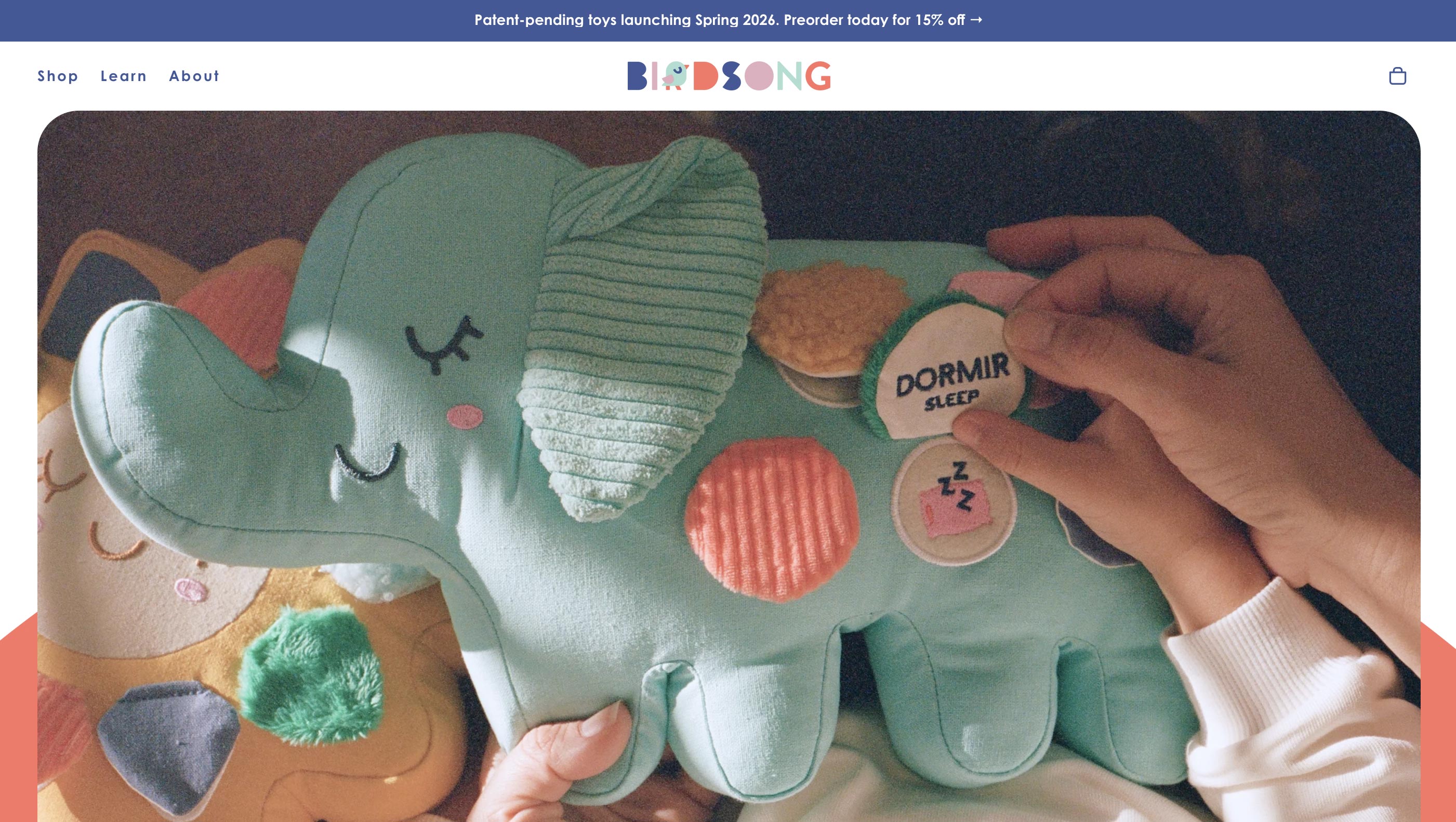
Birdsong Toys: Bilingual, Culture Forward Play Built for Real Families
Birdsong is built for bilingual families with parent led play, research informed learning, and culture forward design. They share that their first collection of play essentials launches March 2026.
Klugonyx helped bring Birdsong’s products to life by supporting the design and development process from early concepts through prototyping and refinement. We focused on translating the learning intent into a physical product experience that is intuitive for parents, engaging for kids, and durable for everyday use.
From there, we supported the path to production with safety testing planning, factory ready documentation, and manufacturing support so the finished product matched the brand’s quality goals at scale.
Process takeaway: Educational toy development works best when content, usability, and manufacturing are developed together. Early prototyping plus safety planning helps you protect the learning experience while still making the product production ready.
Summary of How to use this Game and Toy Development Process on Your Next Project
If you are building a new toy or game and you want a practical approach, think in gates, not in straight lines.
- Gate one: is the play pattern real
- Gate two: does the interaction feel right in hands
- Gate three: is the architecture manufacturable at the target cost
- Gate four: are safety constraints addressed early enough to avoid redesign
- Gate five: is the documentation strong enough for consistent sampling and production
When you run your toy design and development process this way, you protect what makes the product special while still making it manufactuable.
If you want a partner for toy product development and board game product development, you can explore Klugonyx has developed hundreds of toys and games for both top brands and emerging ones. Learn more here.