
Trusted by Startups and Fortune 500’s









Product Design & Engineering
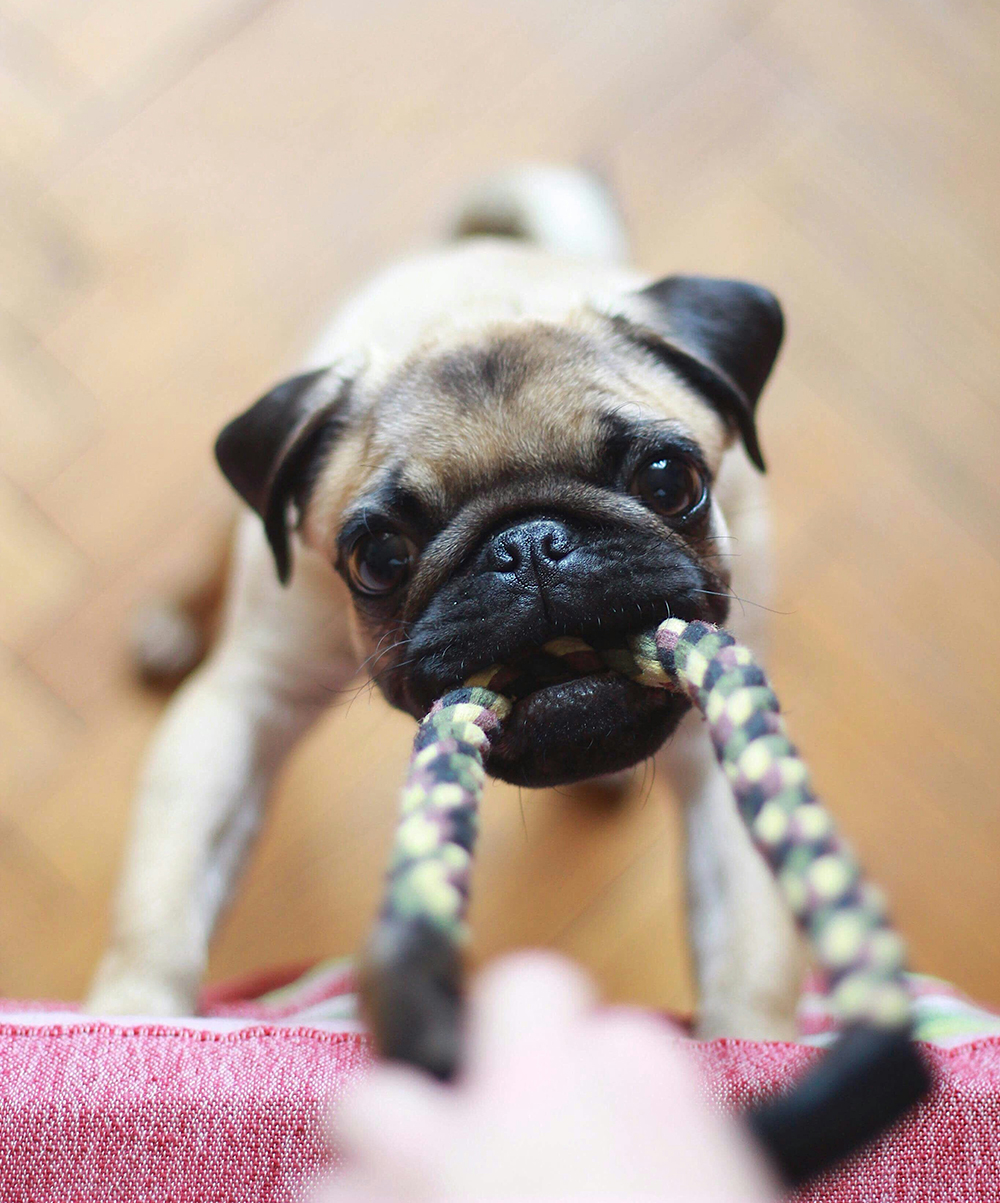
Whether you're developing a dog toy, pet harness, collar, bed, feeder, or pet accessory, our design and engineering team takes your concept from ideation through manufacturing-ready prototypes.
- Market Research & Ideation
- Concept Refinement & Finalization
- Design & Engineering for Manufacturing (DFM)
- CAD, Tech Pack, Prototype Creation

Factory Sourcing & Manufacturing
We source and manage factories specializing in pet toys, dog accessories, pet harnesses, collars, beds, and soft goods, matching your product to the right facility for safety, quality, and cost.
- Factory Sourcing & Quoting
- Mold/Tool Creation + Sampling
- Production Management & Quality Control
- Shipping & Logistics Support
Pet Product Development Risks We Help You Avoid:
- Material selection + finishes (saliva exposure, odor, cleanability)
- Chew/tear failure points (seams, squeakers, bonded joints, thin ribs)
- Sharps/edge risks and small-part hazards (design review + DFM)
- Factory QA plan (incoming inspection, in-process checks, AQL/final inspection)
- Packaging + warnings strategy
Giddy Kitty: Client Success Story
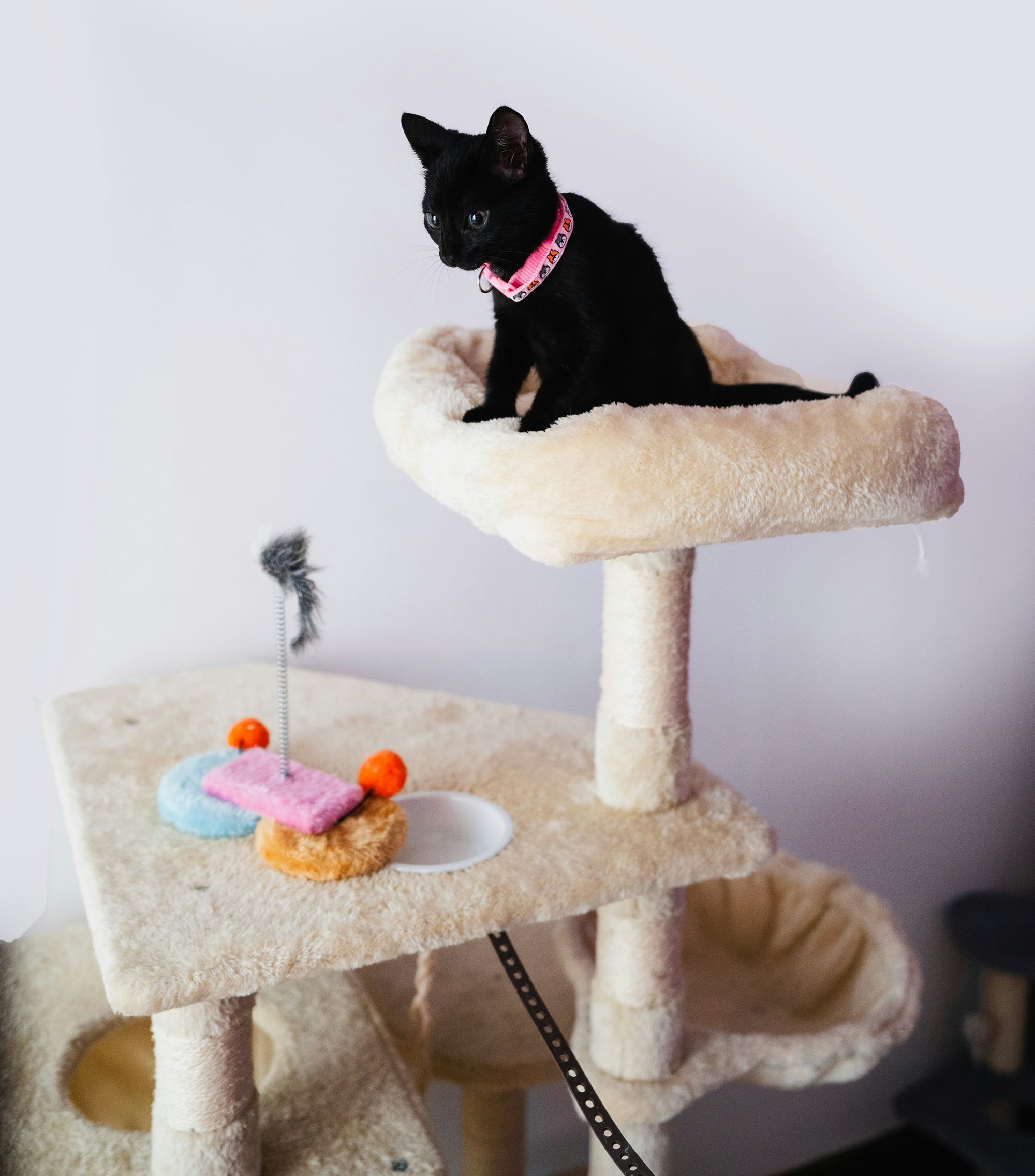
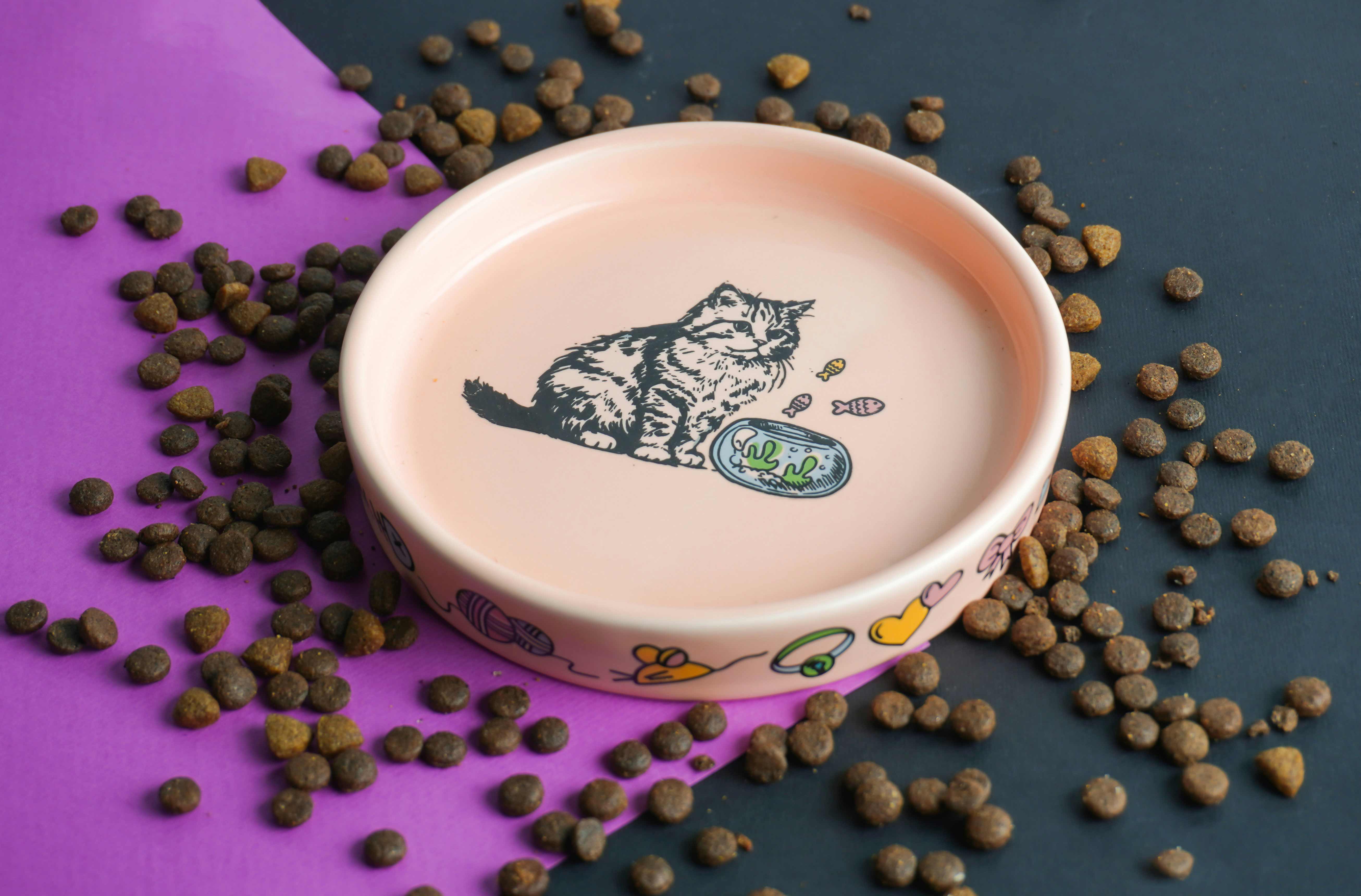
Giddy Kitty came to Klugonyx with an early prototype for an interactive cat toy (later named Purrsuits) built around donut-shaped treats. After identifying durability, treat compatibility, and manufacturing challenges, Klugonyx helped them move from an off-the-shelf concept to a fully custom product. The team refined the toy through multiple design iterations, developed the Giddy Kitty brand identity and packaging, and helped launch the final product.

Pet Product Design And Development FAQs:
Common questions we hear from pet brands and founders developing dog toys, pet accessories, harnesses, collars, beds, and feeders, from first concept through factory production.
Material choice depends on how the product will be used (chewing, licking, food contact, outdoor exposure) and what performance it needs (durability, flexibility, cleanability, odor resistance). We help you select appropriate materials and finishes, then refine the design for manufacturability (DFM) so the production version matches the intended safety and performance requirements. If formal testing is required, we can help you plan for it and connect you with qualified labs, but final validation decisions remain the brand’s responsibility.
Timelines vary based on complexity and how many prototype rounds are needed. Simple pet accessories can move quickly, while chew toys, mechanisms, multi-part products, or items that need repeated durability refinements typically take longer. We’ll outline a realistic schedule early, then manage prototyping and revisions so you’re not guessing what comes next.
Yes. Many pet brands come to us with an initial prototype or CAD and need help with engineering, DFM, cost-down opportunities, and preparing the design for consistent manufacturing. We can review what you have, identify risk areas (weak points, assembly issues, tolerance stack-ups), and support the next prototype iterations through production readiness.
Yes. We support pet product manufacturing through factory sourcing, quoting, sampling, and quality control. Depending on your product type, target cost, and volumes, we can source and manage production through trusted factories in regions like China, Vietnam, Mexico, and other manufacturing hubs, then help you compare options and choose the best fit.
Quality control is more than a final inspection. We help define QC checkpoints such as pre-production specs review, incoming material checks, in-process inspections, and final inspection standards before shipment. The goal is to catch issues early (fit, function, durability, appearance, packaging) and reduce costly rework or returns.
Costs depend on complexity, materials, tooling (if needed), and how far along you are. Development costs typically include design/engineering time and prototypes; manufacturing costs depend on unit materials, labor, packaging, and volumes. The fastest way to get an accurate estimate is to share your concept, target retail price, and timeline so we can scope development and provide a manufacturing plan with realistic cost targets.